Problem
Animal in Chimney
Hearing movement, chirping, scratching, or thumping in the flue? Birds, raccoons, squirrels, and other wildlife may use an open or damaged chimney for shelter or nesting. Borland Wildlife Solutions inspects the problem, identifies the animal, and helps stop repeat entry. LET BORLAND HANDLE YOUR WILDLIFE!
Overview
Why animals use chimneys
A chimney can feel like a protected hollow tree or vertical den site. If the cap is missing, damaged, or poorly screened, wildlife may treat it as an easy entry point. In Nebraska, chimney issues often involve seasonal nesting, shelter-seeking behavior, or animals exploring roofline openings.
Common causes
Missing chimney caps, damaged crowns, loose flashing, open flues, and uncapped chase tops can all invite wildlife into the chimney structure.
Likely wildlife
Common culprits include birds, raccoons, and squirrels. In some situations, bats may also use nearby roofline gaps or chimney-related voids.
Warning signs
Listen for chirping, scratching, fluttering, or heavy movement. You may also notice nesting debris, droppings, odors, staining, or sounds that change by time of day.
Why it matters
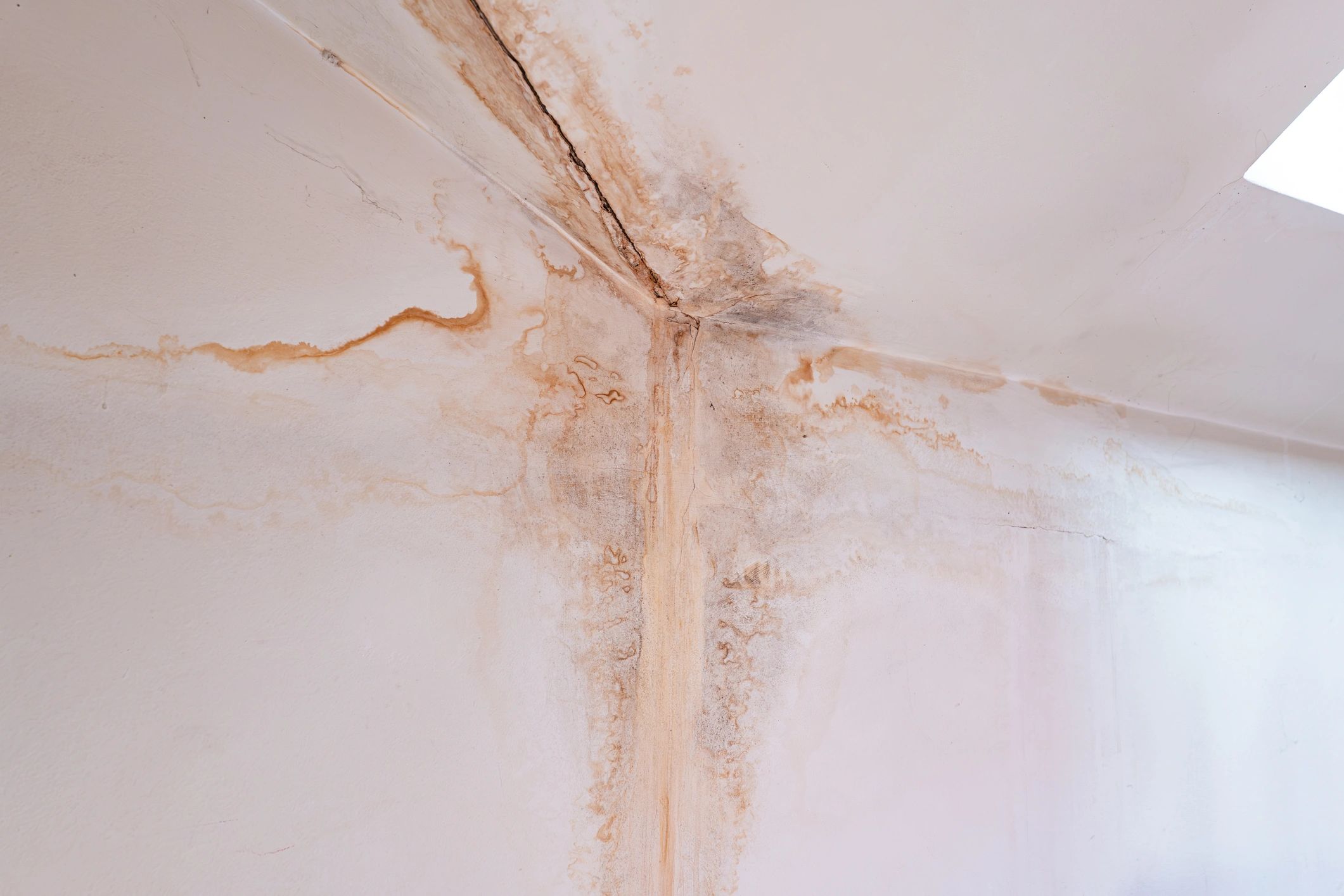
An animal in the chimney can create fire and ventilation concerns, block proper draft, damage components, spread contamination, and lead to young animals becoming trapped.
What Borland looks for
A proper chimney wildlife inspection starts with the roofline, cap, flue opening, flashing, and surrounding construction details. Borland looks for entry points, nesting material, staining, tracks, droppings, and signs of repeat use.
We also consider the likely species, whether young may be present, and whether the problem connects to attic, soffit, or other upper-structure access points. The goal is to identify the animal, solve the immediate issue, and recommend the right exclusion and repair steps to help prevent another chimney problem.
Related wildlife
Animals often linked to chimney problems
Birds in chimneys
Birds may nest on chimney ledges or inside open flues, especially during nesting season. Nesting material can create noise, odor, and draft issues.
Raccoons in chimneys
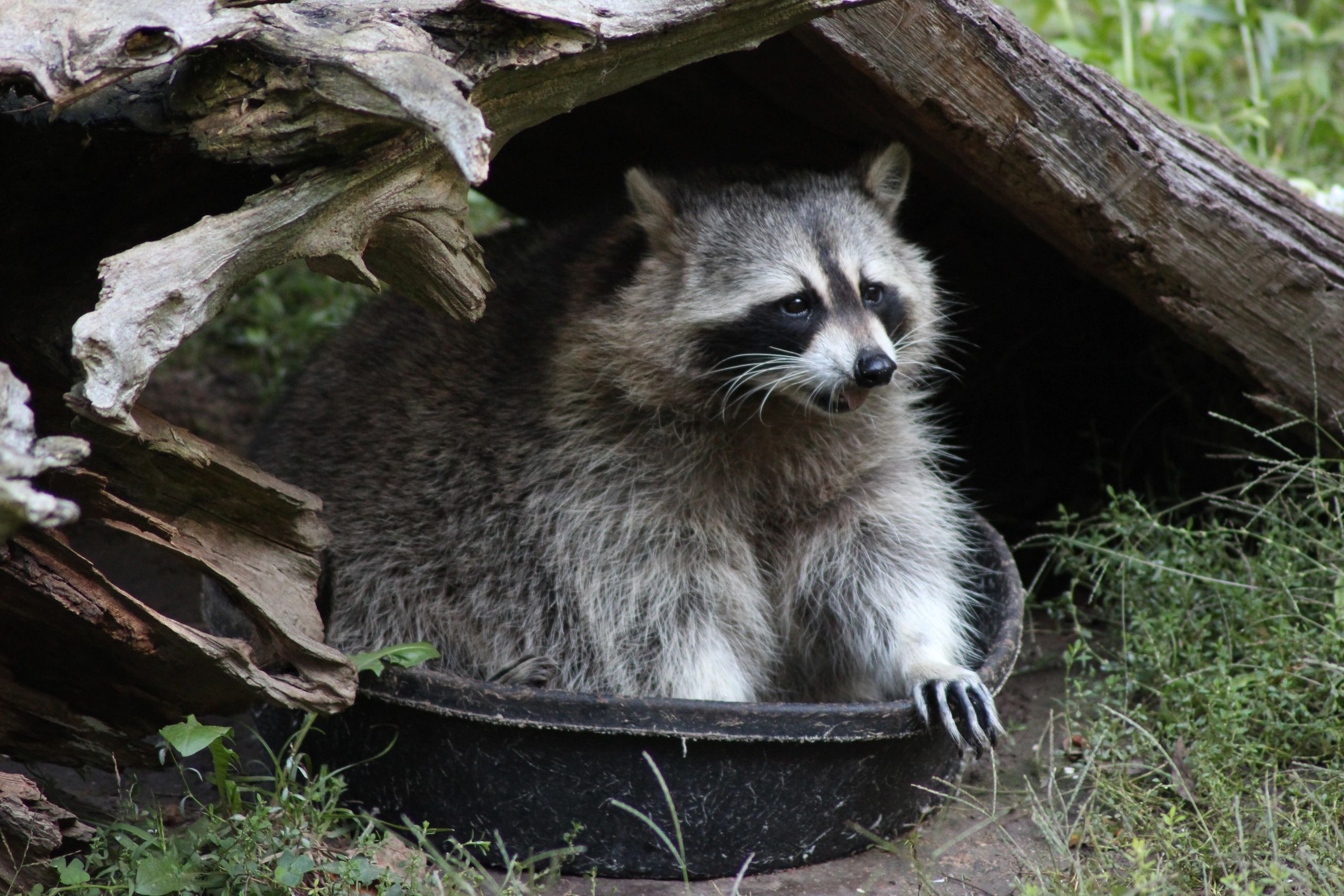
Raccoons may use chimneys as denning sites, especially when a female is seeking a protected place for young. These situations require careful inspection and species-specific handling.
Squirrels near the flue
Squirrels often investigate roofline openings and may enter chimney-adjacent voids or exploit damaged caps and construction gaps.
Prevention
How to help prevent another chimney problem
Install a proper cap
A well-fitted chimney cap helps block animal entry while allowing proper function.
Screen vulnerable openings
Exclusion materials should be selected and installed for the structure and target wildlife.
Repair roofline gaps
Wildlife may use nearby soffit, fascia, flashing, or siding gaps connected to the same area.
Remove attractants
Food sources, shelter opportunities, and repeated access patterns can keep wildlife active around the home.
Address contamination
If droppings, nesting debris, or odor are present, cleanup may be part of the full solution.
Get the right inspection
Correct identification matters. The right plan depends on the species, season, and how the chimney is built.
Animal in chimney FAQ
Quick answers for Nebraska property owners dealing with chimney wildlife issues.
What animal is most likely in my chimney?
Birds, raccoons, and squirrels are common possibilities. The sounds, time of day, nesting material, and roofline evidence can help narrow it down, but an inspection is the best way to confirm it.
Should I use the fireplace if I hear an animal?
It is generally best to avoid using the fireplace until the situation is inspected. Heat, smoke, and disturbance can worsen the problem or put trapped young at risk.
Can an animal get from the chimney into the house?
In some cases, yes. Depending on the construction and condition of the fireplace or chimney system, wildlife may end up in living space or connected structural voids.
Do chimney problems always mean I need repairs?
Not always, but many cases involve missing caps, damaged screening, or nearby roofline issues that should be corrected to help prevent repeat entry.
Can Borland help if I am not sure what animal it is?
Yes. If you are hearing noises or seeing signs but cannot identify the animal, Borland can inspect the situation and recommend the right next step.
What should I do right now?
Avoid disturbing the area, do not seal the opening on your own, and request an inspection. If you are unsure what you are dealing with, LET BORLAND HANDLE YOUR WILDLIFE!
Need help with an animal in your chimney?
Whether you are hearing movement, seeing nesting debris, or just are not sure what is inside, Borland Wildlife Solutions can help you move from uncertainty to a clear plan.
Serving the Lincoln, Nebraska area and customers across Nebraska. LET BORLAND HANDLE YOUR WILDLIFE!
Problem Page
Animal in Chimney
Hearing movement, chirping, scratching, or thumping in the chimney can point to wildlife using that space for shelter or nesting. Borland Wildlife Solutions inspects the situation, identifies likely entry conditions, and recommends the right removal, exclusion, cleanup, and repair steps.
Likely Causes
Why animals end up in chimneys
Open flue tops
An uncapped or damaged chimney opening can allow wildlife to enter from the roofline.
Warm sheltered space
Chimneys can offer cover from weather, predators, and human activity.
Seasonal nesting
Some animals and birds use chimney spaces during nesting and young-rearing periods.
Easy roof access
Trees, roof intersections, and nearby structures can make the chimney easier to reach.
Existing damage
Loose caps, broken screens, and masonry gaps can create entry opportunities.
Repeated use
If entry points are not corrected after removal, the same problem can happen again.
Common Wildlife
Animals often linked to chimney problems
Bats
Bats may use gaps and sheltered upper areas around roof structures, especially where exclusion issues exist.
Birds
Birds are a common chimney issue when nesting materials, chirping, or repeated roofline activity are present.
Raccoons
Raccoons can investigate chimneys for denning opportunities and may create noise, odor, and contamination concerns.
What Borland looks for
A proper chimney wildlife inspection should identify what is happening, how animals are getting in, and what needs to be done after removal.
01
Inspect access
Check the chimney top, cap condition, flashing, roofline, and visible gaps or damage.
02
Identify signs
Look for sounds, nesting material, droppings, staining, odor, and activity patterns around the structure.
Editable area for future Borland inspection photo, field note, or real project example.
03
Plan removal
Choose the safest next step based on the likely animal, location, and condition of the chimney.
04
Recommend follow-up
Outline exclusion, cap replacement, cleanup, and repair needs to help reduce repeat entry.
Why this problem should be addressed
An animal in the chimney can lead to noise, odor, nesting debris, contamination, blocked venting, and repeated wildlife entry if the access point is left open.
The right solution depends on what animal is involved, whether young are present, how the chimney is built, and whether cleanup or repair is needed afterward. This page is designed to be updated later with real Borland photos, project notes, and field examples.
Related Help
Services and pages to explore next
If you are dealing with chimney wildlife activity, these related Borland pages can help you understand the problem and next steps.
Wildlife Exclusion
Learn how entry points are sealed and corrected after removal.
Wildlife Damage Repair
See how damaged areas may be repaired after wildlife activity.
Attic Cleanup & Restoration
Understand when cleanup and restoration may be needed after contamination or nesting.
Bad Odor
Review another common symptom that can accompany chimney wildlife problems.
FAQs
Animal in chimney questions
Direct answers first, followed by inspection and service recommendations based on the actual situation.
Let Borland Handle Your Wildlife!
If something is moving, nesting, or making noise in the chimney, Borland Wildlife Solutions can help you move from uncertainty to a clear next step.
Use this section later for a real Borland chimney photo, project highlight, or before-and-after example.