Nebraska Service
Raccoon Removal
Raccoons in attics, chimneys, soffits, crawl spaces, and outbuildings can create noise, damage, contamination, and repeat entry problems. Borland Wildlife Solutions provides professional raccoon inspection, removal, exclusion, cleanup, and repair throughout Nebraska.
Common Problems
Signs of a Raccoon Problem
Noises Overhead
Heavy thumping, dragging, or movement in the attic or above ceilings often points to raccoons rather than smaller wildlife.
Damaged Entry Points
Torn soffits, bent vents, lifted shingles, damaged fascia, and enlarged openings are common raccoon entry signs.
Strong Odors
Urine, droppings, nesting debris, and deceased wildlife can create persistent odors inside the structure.
Visible Droppings
Raccoon latrine areas can develop in attics, roofs, decks, barns, and other protected spaces.
Insulation Damage
Raccoons can crush insulation, tear ductwork, disturb stored items, and contaminate attic materials.
Young in the Structure
During denning season, a female raccoon may raise young inside attics, chimneys, or wall-adjacent voids.
Why Raccoon Problems Should Be Addressed
Raccoons are powerful, persistent animals that can turn a small entry point into a major structural problem. Once they establish a den site, they often return unless the access point is properly secured.
Prompt action helps reduce contamination, noise, damage, and the risk of ongoing entry. It also helps protect insulation, ventilation areas, soffits, rooflines, and other vulnerable parts of the building. If you are not sure what animal is involved, Borland can inspect the property and identify the problem before recommending the right next step.
Borland’s Inspection to Prevention Process
Every raccoon problem is different. Borland focuses on identifying the animal, locating the access point, resolving the immediate issue, and helping prevent repeat entry.
01
Inspect
We inspect the structure, roofline, soffits, vents, chimney areas, decks, barns, and other likely denning locations to identify activity, damage, and entry points.
02
Remove
We determine the safest and most appropriate removal approach based on the situation, structure, season, and whether young are present.
Borland Wildlife Solutions is a family-owned Nebraska wildlife specialist focused on real inspection, real exclusion, and practical long-term solutions.
03
Exclude
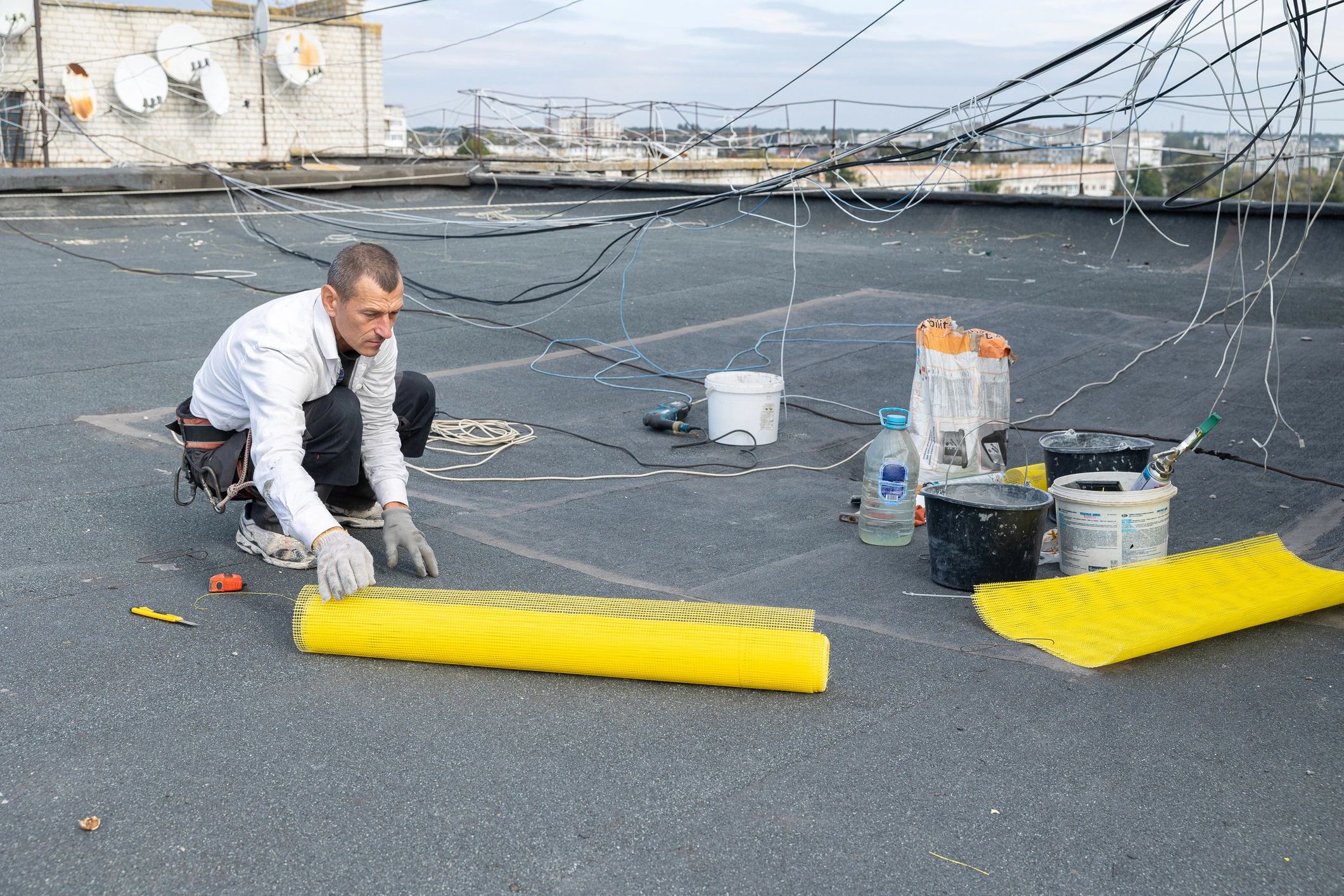
After removal, we seal, screen, reinforce, or repair vulnerable access points to help keep raccoons from getting back in.
04
Restore
When needed, we recommend cleanup, contamination removal, insulation replacement, or damage repair to help return the area to a better condition.
What We Do
Raccoon Removal Services
Borland Wildlife Solutions provides service built around the full problem, not just the animal. That means inspection, removal, exclusion, cleanup guidance, and related repairs when needed.
Inspection and Identification
We confirm whether raccoons are responsible, assess the structure, and document the signs, damage, and likely entry route.
Removal and Den Resolution
We address active raccoon occupancy with a professional plan suited to the property and the stage of activity.
Exclusion and Prevention
We secure vulnerable areas such as roof returns, soffits, vents, chimneys, and other openings that allow repeat entry.
Cleanup and Repair
If raccoons have contaminated or damaged the area, we can recommend or provide related cleanup, restoration, and wildlife damage repair services.
Related Help
Related Services and Wildlife Links
Cleanup and Contamination
Raccoon droppings, nesting debris, and damaged insulation may require professional cleanup and restoration.
Learn About Raccoons
Explore raccoon behavior, common signs, and wildlife education content to better understand what may be happening on your property.
Not Sure What Animal
If you hear noise or see damage but cannot identify the animal, Borland can inspect the property and help you move forward.
Raccoon Removal FAQ
Quick answers to common raccoon service questions for Nebraska property owners.
What attracts raccoons to a house or building?
Raccoons are drawn to shelter, warmth, food sources, and easy access points. Attics, chimneys, soffits, decks, barns, and outbuildings can all become denning locations.
How do I know if the animal in my attic is a raccoon?
Raccoons usually sound heavier than squirrels or birds. Loud movement, thumping, damaged entry areas, and strong odors can all be clues, but inspection is the best way to confirm the species.
Can raccoons damage an attic?
Yes. Raccoons can crush insulation, tear materials, damage vents and soffits, create latrine areas, and leave contamination that may require cleanup.
Do raccoons come back after removal?
They can if the structure still offers access. That is why exclusion and repair are an important part of a complete raccoon solution.
Is cleanup always needed after raccoon removal?
Not always, but it is often recommended when droppings, urine, nesting debris, or damaged insulation are present. The level of cleanup depends on the condition of the space.
What should I do if I think I have raccoons?
Avoid disturbing the area and schedule an inspection. Borland can assess the property, identify the problem, and recommend the right next step. Request an Inspection to get started.
Let Borland Handle Your Wildlife!
If you are dealing with raccoon noise, damage, droppings, odors, or a suspected den site, Borland Wildlife Solutions is ready to help with professional inspection, removal, exclusion, and cleanup guidance.
Need help now? Use the Get Help page to request service, contact Borland, or take the next step with a Nebraska wildlife specialist.