Problems
Bad Odor From Wildlife?
A persistent odor in the attic, walls, crawlspace, chimney, deck area, or outbuilding can point to wildlife activity, contamination, nesting, or a dead animal. Borland Wildlife Solutions inspects the source, identifies the likely animal, and recommends the right removal, exclusion, cleanup, and repair plan. LET BORLAND HANDLE YOUR WILDLIFE!
Symptoms
What A Bad Odor Can Mean
Wildlife odors usually come from one of a few common situations: active animals living in a structure, accumulated droppings and urine, nesting material holding moisture, animals spraying near an entry point, or a carcass hidden in a wall, attic, chimney, crawlspace, or under a deck.
Active Wildlife
Raccoons, squirrels, bats, birds, and skunks can create strong odors from nesting, urine, droppings, and repeated activity in enclosed spaces.
Dead Animal Odor
A sudden severe smell may mean an animal has died inside a wall, attic, soffit, chimney, crawlspace, or beneath a structure.
Contamination Buildup
Long-term wildlife use can leave behind guano, feces, urine saturation, stained insulation, and contaminated nesting debris that continues to smell even after animals leave.
Entry Point Problems
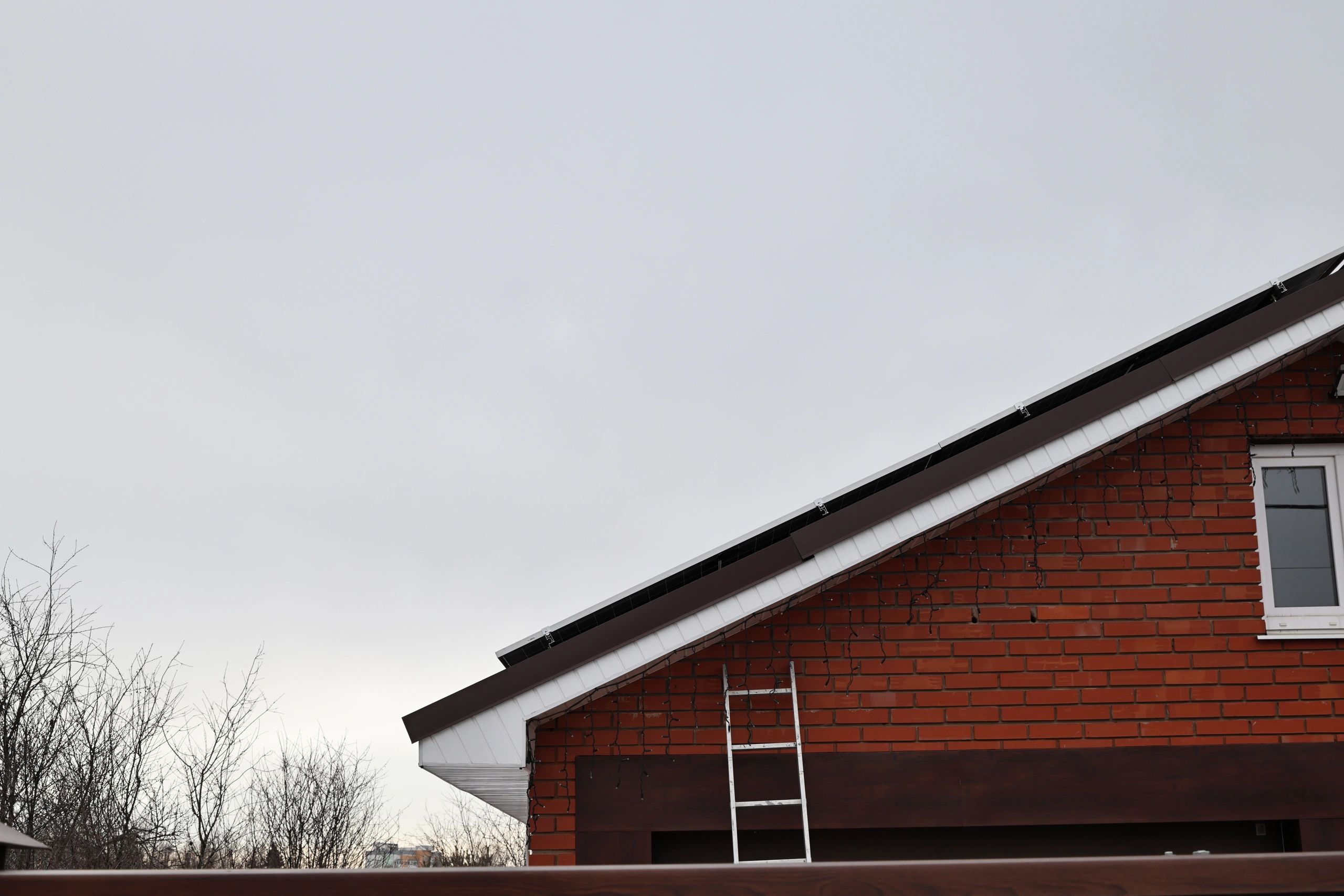
Odor near vents, rooflines, soffits, decks, garages, or barns often points to an active entry point that needs inspection and exclusion.
Likely Wildlife Odor Scenarios
Different smells and locations can point to different wildlife problems. These are some of the most common odor-related situations Borland investigates in Nebraska.
Attic Odor
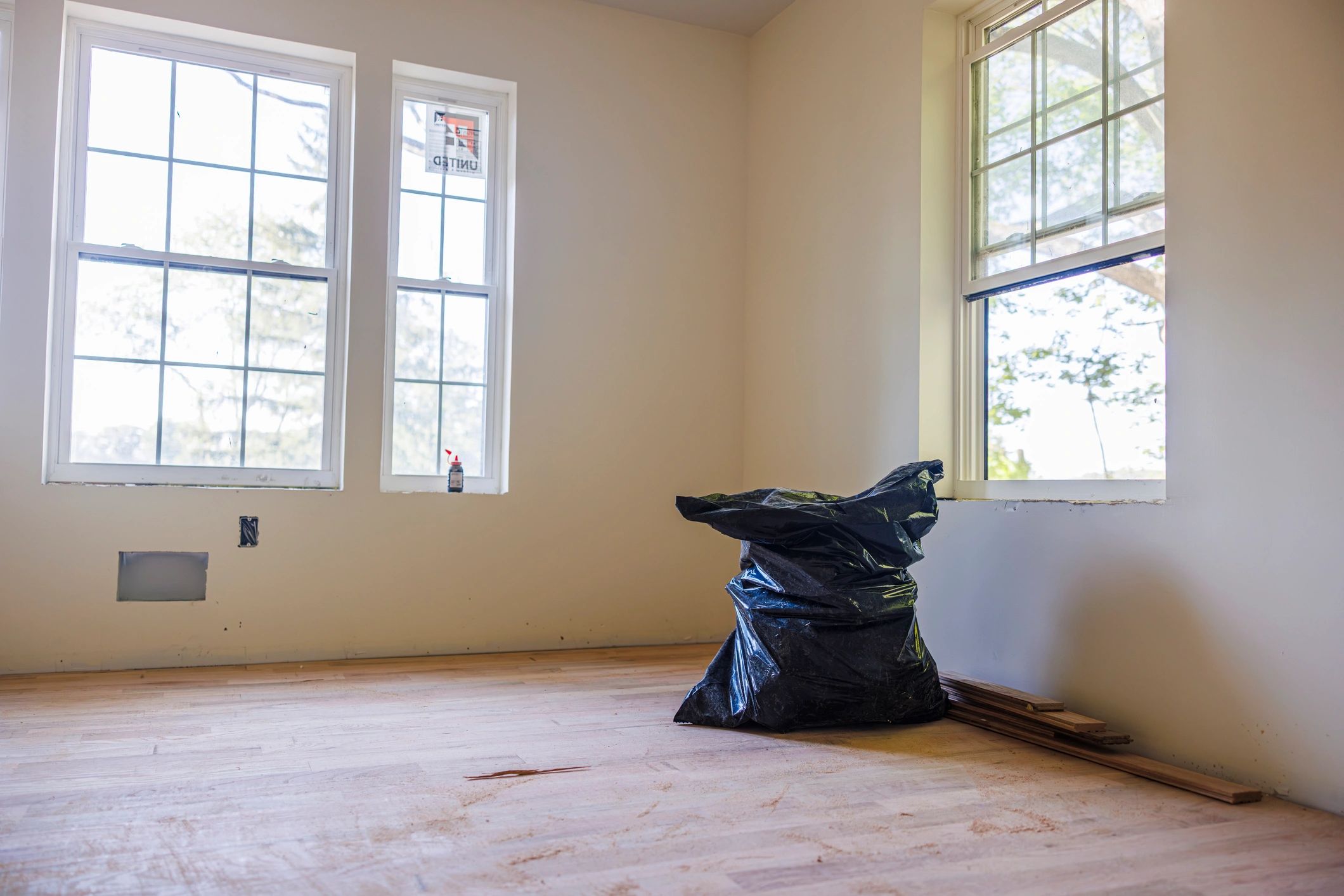
Often linked to bats, squirrels, raccoons, or birds leaving droppings, urine, nesting debris, or a hidden carcass in insulation.
Wall Odor
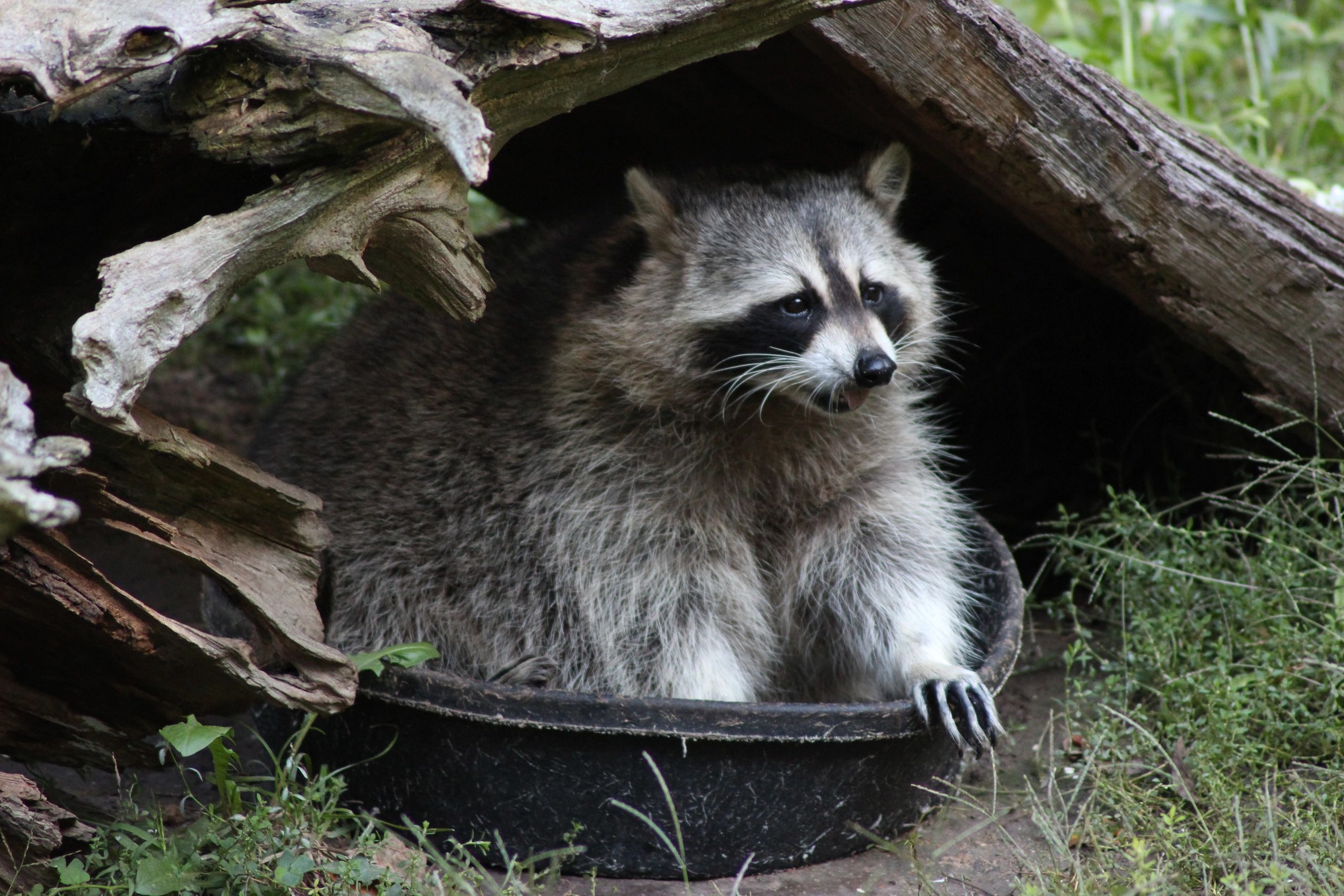
A strong smell in a wall cavity may come from a dead animal, nesting material, or contamination from repeated wildlife use.
Under Deck Odor
Skunks and other wildlife under decks or porches can create powerful odor issues, especially when the area is enclosed.
Chimney Odor
Birds, raccoons, and other wildlife in chimneys can leave nesting debris, droppings, and odor that drifts into the home.
Commercial Building Odor
Warehouses, retail buildings, and facilities may develop wildlife odor from birds, bats, or hidden entry points in roof and wall systems.
Barn Or Outbuilding Odor
Farm and ranch structures can hold odor from birds, raccoons, skunks, bats, and long-term contamination in enclosed spaces.
How Borland Inspects Odor Problems
A wildlife odor problem should be traced to its actual source before cleanup or repairs begin. Borland focuses on finding the animal, the access point, and the contamination involved.
01
Inspect The Location
We look at where the smell is strongest, when it becomes noticeable, and whether it is tied to the attic, walls, chimney, crawlspace, deck, roofline, garage, barn, or commercial structure.
02
Identify Likely Wildlife
Odor is evaluated alongside other signs such as noises, droppings, staining, tracks, nesting, entry holes, and visible animal activity.
Borland Wildlife Solutions helps Nebraska property owners move from uncertainty to a clear plan: inspect, remove, exclude, clean up, and restore.
03
Check Cleanup Needs
If contamination or a carcass is present, we determine whether insulation removal, sanitation, odor-source removal, or restoration work is needed.
04
Recommend The Fix
The right solution may include wildlife removal, exclusion, contamination cleanup, damage repair, and prevention to stop the odor from returning.
Cleanup
When Cleanup Is Needed
Contaminated Insulation
Bat guano, raccoon latrines, bird droppings, and urine-soaked nesting areas can require removal and restoration.
Open Entry Points
If wildlife is still getting in, cleanup alone is not enough. The structure also needs professional exclusion and sealing.
Lingering Odor
Even after animals are gone, odor can remain if contaminated material, carcasses, or damaged building components are left behind.
Related Links
Wildlife And Services To Explore
Bats
Learn how bat colonies, guano, and attic use can create persistent odor issues.
Raccoon Removal
See how raccoons in attics, chimneys, and structures can lead to odor and contamination.
Skunk Removal
Understand odor issues tied to skunks under decks, porches, sheds, and foundations.
Bird Control
Explore bird-related odor, nesting debris, and contamination on buildings and structures.
Attic Cleanup & Restoration
Review cleanup and restoration options after wildlife contamination in attic spaces.
Wildlife Damage Repair
See how damaged vents, soffits, rooflines, and entry areas are repaired after wildlife activity.
Bad Odor FAQ
Common questions about wildlife-related odor problems in homes, commercial buildings, and farm structures.
Can a bad odor mean I have a dead animal?
Yes. A sudden strong smell can be caused by a dead animal in a wall, attic, chimney, crawlspace, soffit, or under a structure. Inspection is the best way to confirm the source.
What animals commonly cause odor problems?
Bats, raccoons, squirrels, birds, and skunks are common causes. Odor can come from the animal itself, droppings, urine, nesting material, or a carcass.
Will the smell go away on its own?
Sometimes odor fades, but the real problem may remain. If contamination, entry points, or damaged materials are left in place, odor and wildlife issues can continue.
Do I need cleanup after wildlife is removed?
Often, yes. Cleanup may be needed when droppings, urine, stained insulation, nesting debris, or a carcass has affected the area.
Can wildlife odor come from under a deck?
Yes. Skunks and other wildlife commonly create odor problems under decks, porches, sheds, and similar enclosed spaces.
What should I do first if I notice a bad odor?
Avoid disturbing the area and schedule an inspection. If you are not sure what animal is involved, start with Unknown Animal Problem or go directly to Get Help.
Don’t Ignore A Wildlife Odor
If something smells wrong, there may be active wildlife, contamination, or a hidden carcass in the structure. Borland Wildlife Solutions serves the Lincoln, Nebraska area and customers across Nebraska with inspection, removal, exclusion, cleanup, and repair.
Need answers fast? Start with Get Help, explore Shop, or review nearby service information on Locations. LET BORLAND HANDLE YOUR WILDLIFE!
Problems
Bad Odor From Wildlife?
Wildlife-related odors can point to nesting activity, contamination, hidden entry points, or an animal that has died inside the structure. Borland Wildlife Solutions inspects the source, identifies the likely cause, and recommends the right next step for removal, cleanup, exclusion, and repair.
Odor Clues
What A Bad Odor Can Mean
A strong odor does not always identify the exact animal, but it often signals that something needs attention. Odors may come from urine, droppings, nesting material, food remains, a den site, or a dead animal in an attic, wall, crawlspace, chimney, or under a deck.
Likely Causes
Common wildlife-related odor sources include bat guano, raccoon latrines, squirrel nesting contamination, bird nesting debris, skunk activity, and carcasses hidden in structural voids.
Warning Signs
Watch for odor that gets stronger in heat, smell concentrated near vents or soffits, staining around entry points, insect activity, droppings, scratching sounds, or repeated odor in the same part of the property.
Inspection Steps
A proper inspection focuses on where the odor is strongest, what wildlife signs are present, how the animal may be entering, and whether contamination, damage, or cleanup needs extend beyond the visible area.
Cleanup Considerations
Removing odor usually requires more than taking the animal out. Contaminated insulation, droppings, nesting debris, and affected building materials may need cleanup, restoration, sealing, or repair to help prevent the problem from returning.
Related Paths
Where To Go Next
Likely Wildlife
Bad odors are often associated with bats, raccoons, squirrels, birds, and skunks depending on where the smell is located and what other signs are present.
Related Services
Borland may recommend inspection, removal, exclusion, contamination cleanup, attic restoration, or damage repair depending on what is found.
Editable Photo Area
This page is structured so real Borland odor-related photos, project examples, and field notes can be added later without rebuilding the layout.
Bad Odor FAQ
Helpful answers for property owners dealing with possible wildlife odor issues.
Does a bad odor always mean a dead animal?
No. Odor can come from droppings, urine, nesting material, food remains, or an active den site. A dead animal is one possibility, but not the only one.
Can odor help identify the animal?
Sometimes, but odor alone is not enough for a reliable identification. The location of the smell, visible signs, sounds, and entry points usually provide better clues.
Should I clean the area myself?
That depends on where the contamination is, how extensive it is, and what wildlife is involved. Attics, wall voids, and heavy contamination often require a more careful cleanup approach.
Why does the smell get worse at certain times?
Heat, humidity, and airflow can make wildlife-related odor more noticeable. Odor may become stronger during warm afternoons or when HVAC systems move air through the structure.
Will the odor go away if the animal leaves?
Not always. Odor can remain if droppings, urine, nesting debris, or damaged materials are left behind. Entry points also need attention so new wildlife does not move in.
What should I do first?
If you notice a persistent wildlife-related odor, schedule an inspection. Borland can help determine the likely source, identify related wildlife activity, and recommend the right service path.
Let Borland Handle Your Wildlife!
If a bad odor may be tied to wildlife activity, Borland Wildlife Solutions can inspect the property, identify likely causes, and recommend the right next step for removal, cleanup, exclusion, and repair.
Related pages: Bats, Raccoons, Squirrels, Birds, Skunks, Wildlife Contamination Cleanup, Wildlife Exclusion, Shop wildlife products.