

Wildlife
Skunks in Nebraska
Learn how to identify skunks, recognize odor and denning issues, understand seasonal activity in Nebraska, and know when to call Borland for removal, exclusion, cleanup, and prevention. LET BORLAND HANDLE YOUR WILDLIFE!
What to Know About Skunks
Skunks are common around homes, outbuildings, decks, sheds, crawlspaces, and agricultural properties. They are best known for odor problems, but they can also dig, den, damage insulation or skirting, and create recurring issues when entry points are left open.
Identification
How to Identify Skunks
Most homeowners recognize skunks by their bold black-and-white coloring, low body profile, and slow, deliberate movement. In Nebraska, striped skunks are the species most people are likely to encounter around homes, barns, and rural properties.
Signs
Common Signs of Skunks
Skunk activity is often first noticed by smell, but odor is not the only clue. You may also see shallow digging in lawns, den openings near structures, tracks, or signs of activity under decks, porches, sheds, and steps.
Behavior
Denning and Seasonal Activity
Skunks look for sheltered den sites, especially during colder weather and breeding season. In Nebraska, they may use crawlspaces, decks, sheds, barns, and other protected voids. Spring can bring increased activity around den sites, while winter often concentrates them in protected areas.
Concerns
Why Skunks Become a Problem
Skunk issues can range from nuisance odor to structural access and contamination concerns. The right response depends on where the animal is denning, how long activity has been present, and whether cleanup or exclusion is needed afterward.
Odor Concerns
Spray can create intense odor problems around entryways, crawlspaces, decks, garages, and nearby living areas.
Denning Near Structures
Skunks often settle under decks, porches, sheds, stairs, and agricultural structures where cover and protection are available.
Digging and Disturbance
They may dig in lawns and landscape beds while searching for food, leaving repeated shallow holes and disturbed soil.
Cleanup Needs
When a den site or contaminated area is left untreated, odor and sanitation concerns can linger after the animal is gone.
Prevention Matters
Long-term control usually requires closing access points and correcting the conditions that made the site attractive.
Related Help
Borland can connect skunk issues with removal, exclusion, contamination cleanup, and property-specific prevention.
Nebraska
Skunks Around Nebraska Properties
Prevention
How to Reduce Skunk Problems
Prevention starts with limiting shelter, food access, and easy entry points. The best approach depends on the property, the structure, and whether skunks are already using the area.
Property Prevention
Inspect low openings around decks, sheds, porches, and outbuildings. Reduce attractants and address conditions that encourage denning near the structure.
Cleanup and Follow-Up
If odor, contamination, or den debris is present, cleanup may be needed along with exclusion work so the problem does not return.
Related
Services and Product Paths
Skunk Removal
Professional help for active skunk problems around homes, structures, and properties.
Wildlife Exclusion
Close access points and reduce the chance of repeat denning around vulnerable areas.
Cleanup
Address odor, den debris, and contamination concerns after wildlife activity.
Shop Products
Browse wildlife-control products if you need supplies, equipment, or prevention items.
Skunk FAQ
Quick answers for common skunk questions from Nebraska property owners.
What does skunk activity usually smell like?
A strong musky odor is the most recognizable sign. The smell may linger around decks, crawlspaces, garages, porches, or nearby entry areas depending on where the skunk sprayed or denned.
Where do skunks usually den?
Common den sites include areas under decks, sheds, porches, steps, crawlspace edges, barns, and other low sheltered voids.
Are skunks active in Nebraska year-round?
Skunks can be encountered throughout the year, but activity patterns shift seasonally. Protected den sites often become especially important during colder periods and around breeding season.
Can skunks damage my property?
Yes. They may dig in turf, disturb landscaping, use structural voids, and create odor or contamination issues that require cleanup and follow-up repairs.
Should I ignore a skunk living under my deck?
It is usually better to address the issue before it becomes a repeat problem. A denning skunk can create odor concerns and may continue using the area if access is left open.
What should I do if I am not sure the animal is a skunk?
Start with Unknown Animal Problem or request an inspection. Borland can help identify the issue and recommend the right next step.
Need Help With Skunks?
Whether you are dealing with odor, denning under a structure, or a problem you have not fully identified yet, Borland Wildlife Solutions can help you move from uncertainty to a clear plan. LET BORLAND HANDLE YOUR WILDLIFE!
Family-owned. Nebraska-based. Wildlife-focused since 2016.

Wildlife Hub
Skunks in Nebraska
Learn how to identify skunk activity, understand odor and denning issues, review property concerns, and explore professional removal, exclusion, cleanup, and prevention options from Borland Wildlife Solutions.
What to Know
Skunk Problems and Solutions
Identification
Skunks are low-to-the-ground mammals with black fur, bold white striping, and a slow, deliberate gait. They are often active at dusk, overnight, and early morning.
Common Signs
Homeowners may notice digging in lawns, denning under decks or sheds, tracks, droppings, or a strong odor near foundations, crawlspaces, and outbuildings.
Odor and Denning
Skunk odor can linger in structures, insulation, and outdoor living areas. Denning under porches, steps, slabs, and additions can create ongoing access and sanitation concerns.
Property Concerns
Skunks can damage turf while feeding, create nuisance odor events, and raise concerns around pets, entry points, and contamination in enclosed spaces.
Nebraska Context
In Nebraska, skunk activity can affect residential neighborhoods, acreages, barns, and outbuildings. Seasonal shelter-seeking behavior can increase conflicts around structures.
Professional Options
Borland can inspect the site, identify access and denning conditions, recommend removal options, and plan exclusion, repair, and cleanup steps based on the property.
Next Steps
Removal, Prevention, and Cleanup
A complete skunk page should help visitors move from identification to action while leaving room for future Borland photos, videos, case studies, and field notes.
Removal Options
Removal planning depends on where the skunk is active, whether denning is involved, and how the property can be secured afterward. Professional inspection helps define the right next step.
Exclusion and Prevention
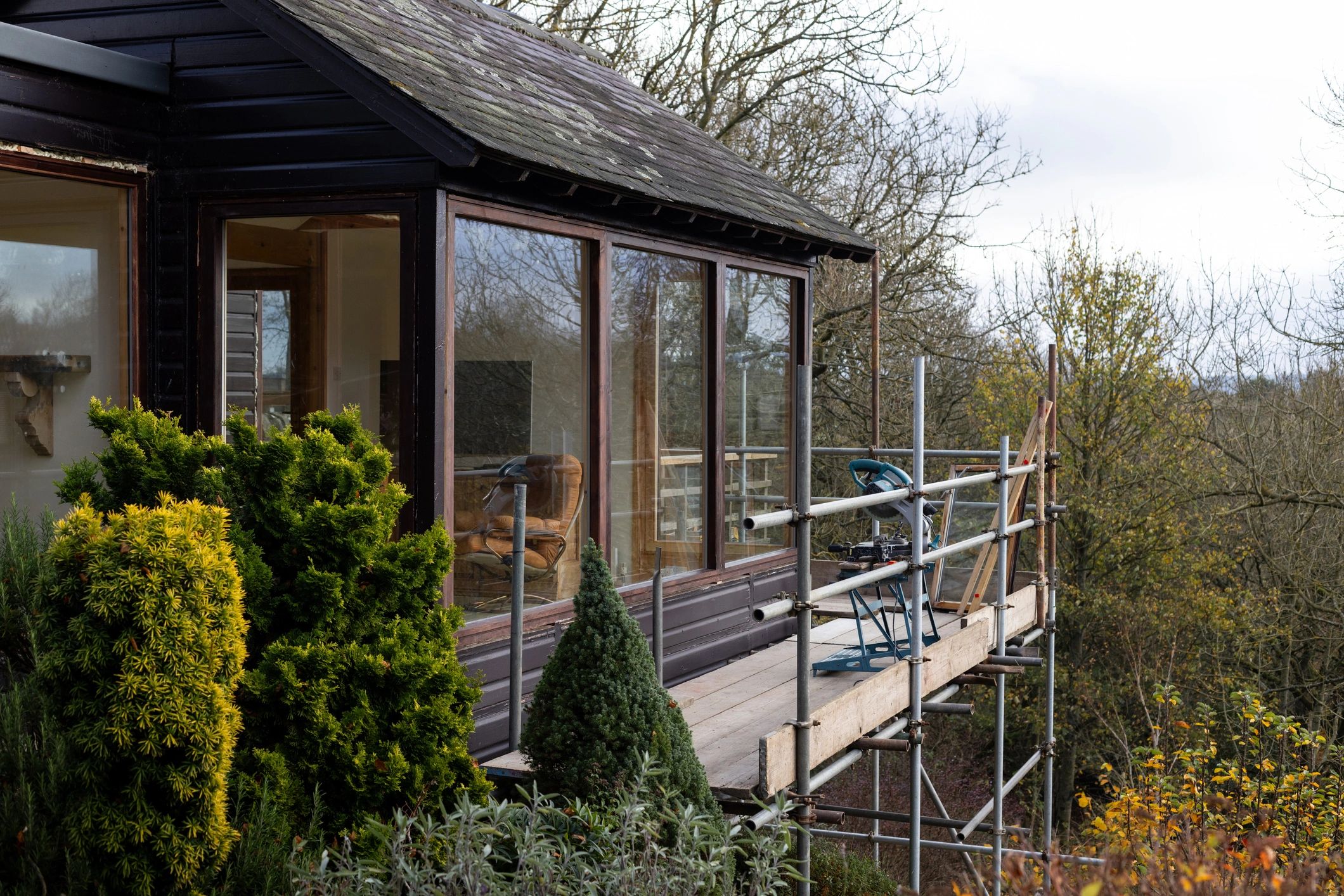
Long-term prevention may include closing denning opportunities, addressing gaps around structures, improving screening, and correcting conditions that keep attracting wildlife.
Cleanup and Products
When odor, droppings, or disturbed materials are part of the issue, cleanup may be needed. Visitors should also be able to explore related wildlife products and future Borland Built solutions.
Skunk FAQs
Clear answers help visitors understand when to keep learning, when to shop, and when to contact Borland for professional wildlife help.
What are common signs of skunks around a property?
Common signs can include odor, shallow digging in turf, denning under structures, visible skunk activity at night, tracks, and droppings.
Why do skunks den under decks or sheds?
These areas can provide shelter, concealment, and a protected space near food and water sources.
Can skunk odor become a bigger property issue?
Yes. Odor can affect outdoor living areas and may linger around structures or materials depending on where the event occurred.
What should happen after skunk removal?
After removal, the site should be evaluated for den access, exclusion needs, damaged areas, and any cleanup concerns.
Does every skunk problem need cleanup?
Not always, but cleanup may be appropriate when odor, droppings, nesting material, or contamination is present.
Can this page support future Borland project examples?
Yes. This hub is structured so real Borland photos, videos, case studies, and local field experience can be added later without rebuilding the page.
Let Borland Handle Your Wildlife!
Need help with skunks, odor issues, denning under a structure, or wildlife exclusion planning? Borland Wildlife Solutions can help you move from uncertainty to a clear next step.
This page also leaves editable space for future Borland photos, videos, case studies, related resources, and product recommendations.