Wildlife
Bats in Nebraska
Learn how to identify bat activity, understand common entry points, review health and property concerns, and know when to bring in professional bat exclusion help from Borland Wildlife Solutions.
Identification
How to Recognize Bat Activity
Bats are flying mammals that often use narrow gaps along rooflines, vents, soffits, fascia transitions, and other elevated exterior openings. Homeowners may notice activity at dusk, staining near entry points, or accumulations of droppings below roost areas.
Common Signs
Look for dark staining around gaps, droppings below entry points, chirping or rustling sounds, and bats exiting around sunset.
Sounds
Bat sounds are often light chirping, peeping, or faint scratching. Activity may be more noticeable near dusk, dawn, or during warm evenings.
Droppings
Bat droppings are typically small, dark, and may collect beneath roosting areas. Accumulations can build up in attics, wall voids, or below exterior gaps.
Entry Points
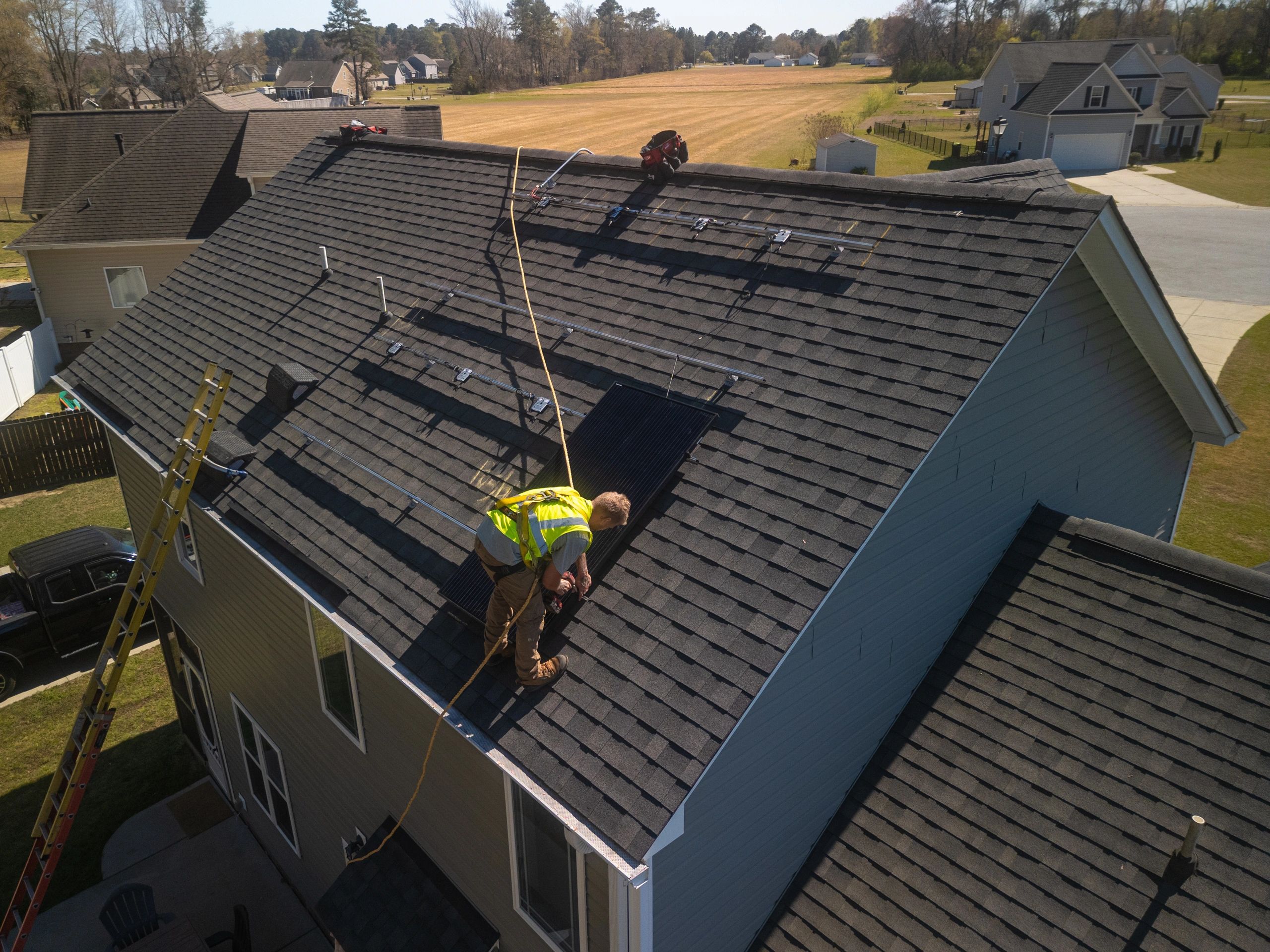
Typical access areas include roof edges, ridge vents, gable vents, soffits, fascia lines, chimney transitions, and small construction gaps high on the structure.

Nebraska Bat Concerns
In Nebraska, bat issues often show up in homes, barns, outbuildings, and commercial structures where small exterior gaps provide sheltered roosting space. Seasonal activity can change throughout the year, and exclusion timing matters.
Bat activity can raise concerns about contamination, odors, staining, and the need to keep animals from re-entering the structure. If bats are found inside living space or a roost is suspected, a professional inspection helps determine access points, conditions, and next steps.
Response
What Borland Helps With
Exclusion and Prevention
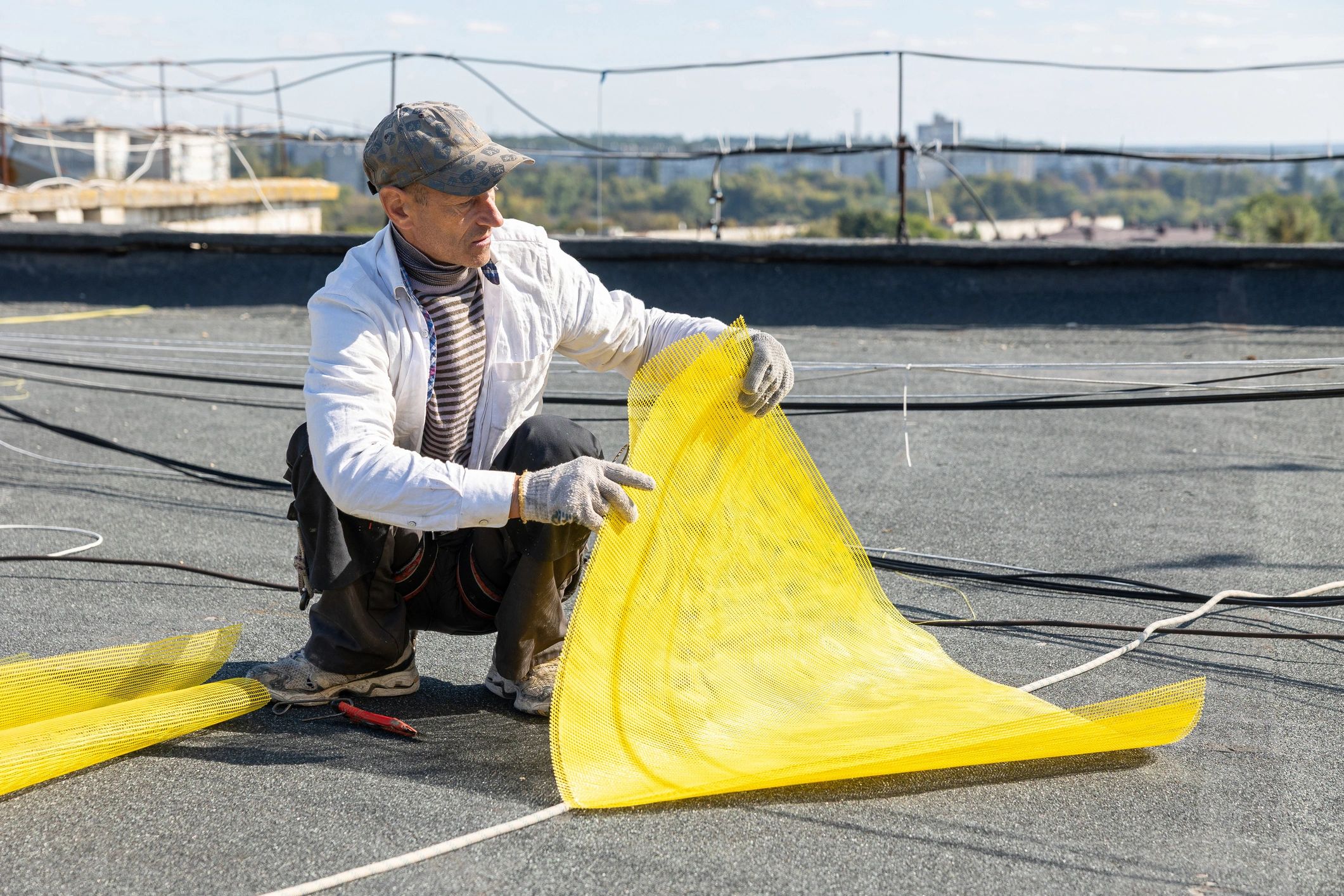
Borland inspects likely entry areas, identifies active access points, and builds a plan to close gaps and help prevent future bat entry.
Cleanup and Restoration
When droppings or contamination are present, cleanup may be needed to address affected materials and restore the space appropriately.
Products and Education
Some visitors need professional service, while others want to learn more or shop for related wildlife-control products and equipment.
Health, Property, and Related Topics
Bat issues are not just about seeing an animal. They can involve sanitation concerns, interior sightings, structural access points, and the need for careful long-term prevention.
Health Concerns
Any direct contact concern or bat found in living space should be taken seriously and evaluated appropriately.
Property Concerns
Roosting activity can lead to staining, odor, droppings buildup, and the need for exclusion and cleanup.
Bats Inside House
If a bat appears in a room or living area, quick guidance and a clear next step matter.
Unknown Animal
Not every sound or stain is caused by bats. Borland can help narrow down the problem.
Attic Conditions
Attics often provide dark, protected space that can support recurring wildlife activity if gaps remain open.
Cleanup Needs
Droppings and contaminated areas may require professional cleanup depending on the situation.
Service Areas
Borland serves the Lincoln area and communities across Nebraska with wildlife-focused solutions.
Resource Center
Explore more wildlife education, problem pages, and practical guidance in the Borland Resource Center.
Bat FAQ
Answers to common questions about bats, bat entry, exclusion, and next steps for Nebraska property owners.
How do bats get into a house?
Bats can use very small gaps along rooflines, vents, soffits, fascia transitions, and other elevated openings.
What do bat droppings look like?
Bat droppings are usually small and dark and may collect below roosting or entry areas.
What do bats sound like in an attic?
People often describe light chirping, peeping, or faint scratching, especially around dusk or dawn.
Are bats in Nebraska active year-round?
Bat activity can vary by season, weather, and roost conditions. Inspection findings help determine what is happening at a specific property.
Do I need cleanup after bats?
If droppings or contamination are present, cleanup may be recommended depending on the amount, location, and affected materials.
Should I try to seal the hole right away?
Closing gaps without understanding current activity can create additional problems. A proper inspection helps determine the right exclusion approach.
Need Help With Bats?
Whether you are hearing activity in the attic, seeing staining near the roofline, or found a bat inside, Borland Wildlife Solutions can help you take the next step.
Family-owned. Nebraska-based. Wildlife-focused. LET BORLAND HANDLE YOUR WILDLIFE!