Commercial Wildlife Control
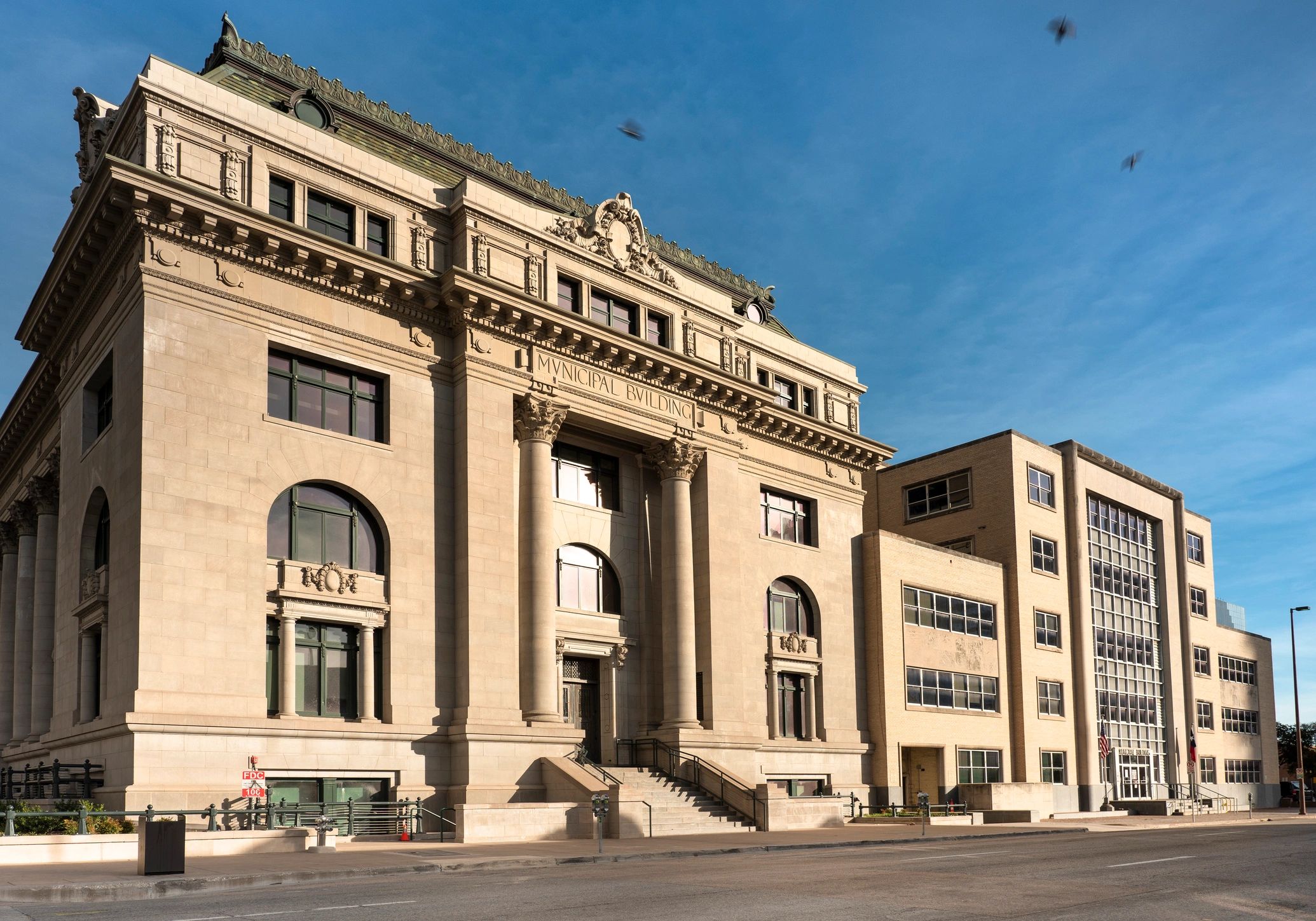
Municipal Wildlife Control for Public Buildings
Protect city facilities, public buildings, maintenance budgets, and daily operations with professional wildlife prevention, exclusion, cleanup, and response planning from Borland Wildlife Solutions.
Public Property Focus
Built for Municipal Maintenance Teams
Municipal properties often require a practical wildlife-control partner who can coordinate with facilities staff, reduce recurring issues, and keep public-facing spaces safe, clean, and operational. Borland helps public entities address wildlife problems with a prevention-first approach that supports long-term building performance.
Public Building Protection
Wildlife issues in city halls, maintenance buildings, libraries, public safety facilities, utility structures, and community buildings can create safety concerns, contamination, and repeat repair costs. We inspect the structure, identify access points, and recommend durable corrective work.
Exclusion and Prevention
We focus on closing entry points, correcting structural vulnerabilities, and reducing repeat wildlife activity around roofs, vents, soffits, loading areas, mechanical spaces, and service access points.
Cleanup and Sanitation
When wildlife leaves droppings, nesting debris, or contaminated insulation and materials behind, Borland can help restore affected areas so your team is not left managing the aftermath alone.
Maintenance Coordination
We work with property managers, maintenance leaders, and operations teams to prioritize access, document findings, and support phased work across active public facilities.
Common Needs
Municipal Wildlife Services
Bird Control
Reduce roosting, nesting, fouling, and recurring bird pressure on public buildings, entrances, signs, rooftops, and facility edges.
Bat Management
Address bat activity in attics, wall systems, rooflines, and public structures with inspection-led exclusion planning.
Wildlife Exclusion
Seal entry points and strengthen vulnerable building areas to reduce repeat service calls and long-term maintenance costs.
Damage Repair
Correct wildlife-related damage to vents, soffits, fascia, access points, and other building components affected by animal activity.
Contamination Cleanup
Remove droppings, nesting debris, and contaminated materials from affected spaces with a professional cleanup approach.
Facility Assessments
Evaluate recurring wildlife pressure, identify patterns, and build a practical plan for response, prevention, and coordination.
Prevention First
Reduce Repeat Wildlife Problems
Municipal properties benefit from a wildlife strategy that goes beyond one-time removal. Borland helps public facilities identify why wildlife is returning, where structures are vulnerable, and what steps can reduce future disruption.
That may include exclusion recommendations, sanitation planning, problem-area documentation, and coordination with maintenance schedules so corrective work can be handled efficiently. LET BORLAND HANDLE YOUR WILDLIFE!
How Borland Supports Municipal Properties
Our process is designed for public-facing facilities where access, documentation, safety, and coordination matter.
01
Inspect
We assess the building, wildlife pressure, likely entry points, affected areas, and operational concerns.
02
Document
We outline findings clearly so facility leaders and maintenance teams understand the problem and the recommended next steps.
Borland Wildlife Solutions helps municipal and commercial properties move from recurring wildlife issues to a more controlled, prevention-focused plan.
03
Resolve
We perform or recommend removal, exclusion, cleanup, and corrective work based on the property’s needs and use.
04
Prevent
We help reduce future wildlife activity through structural improvements, sanitation guidance, and long-term prevention planning.
Related Commercial Pages
Explore Related Commercial Solutions
Hospitals
See how Borland approaches wildlife control for sensitive, high-traffic healthcare environments.
Universities & Schools
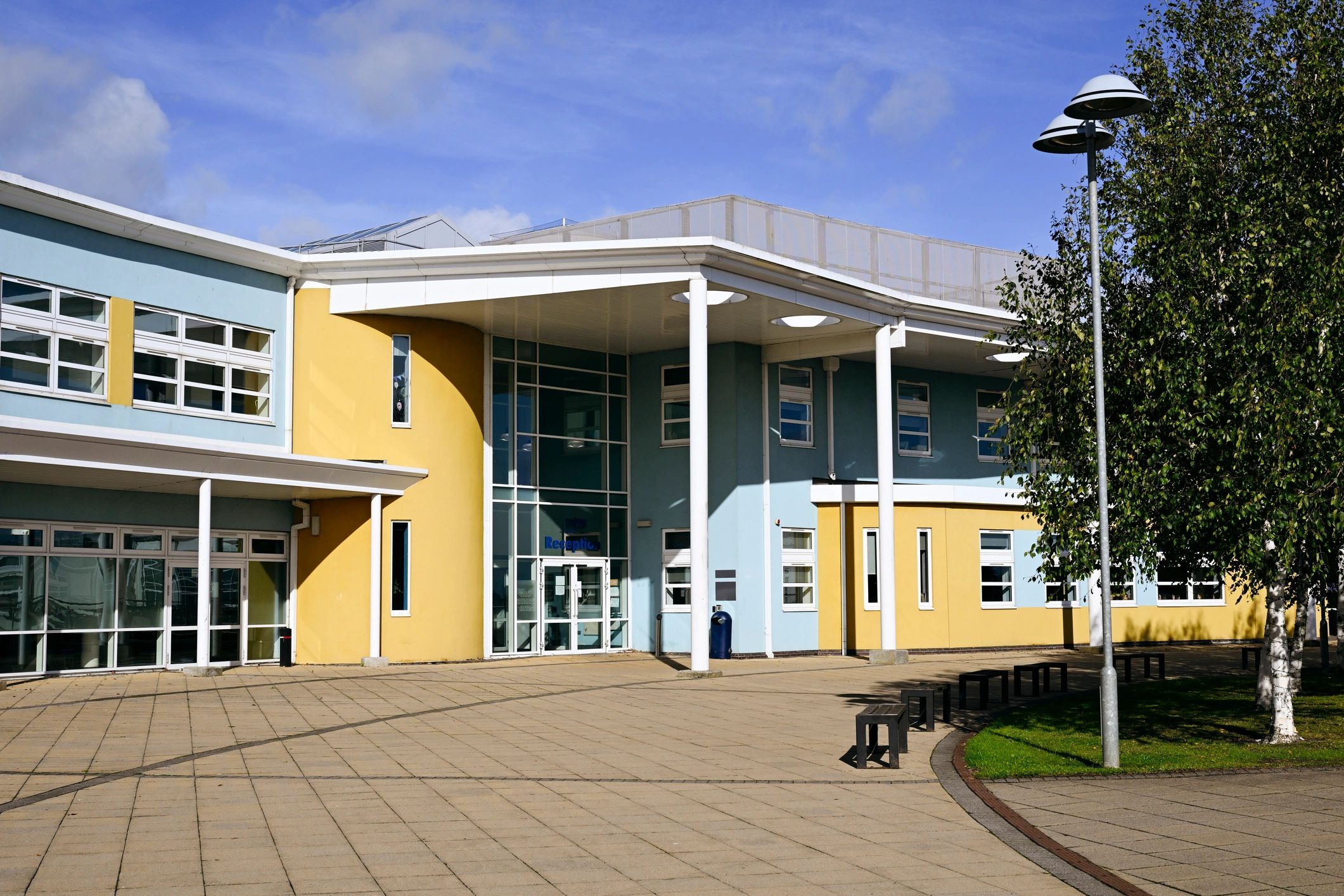
Review wildlife-control considerations for educational facilities, campuses, and institutional buildings.
Stadiums & Campuses
Explore solutions for large public venues, event spaces, and multi-building properties.
Municipal FAQ
Questions from Public Property Teams
Municipal properties often need practical answers, clear scope, and dependable coordination. Here are common questions we hear.