
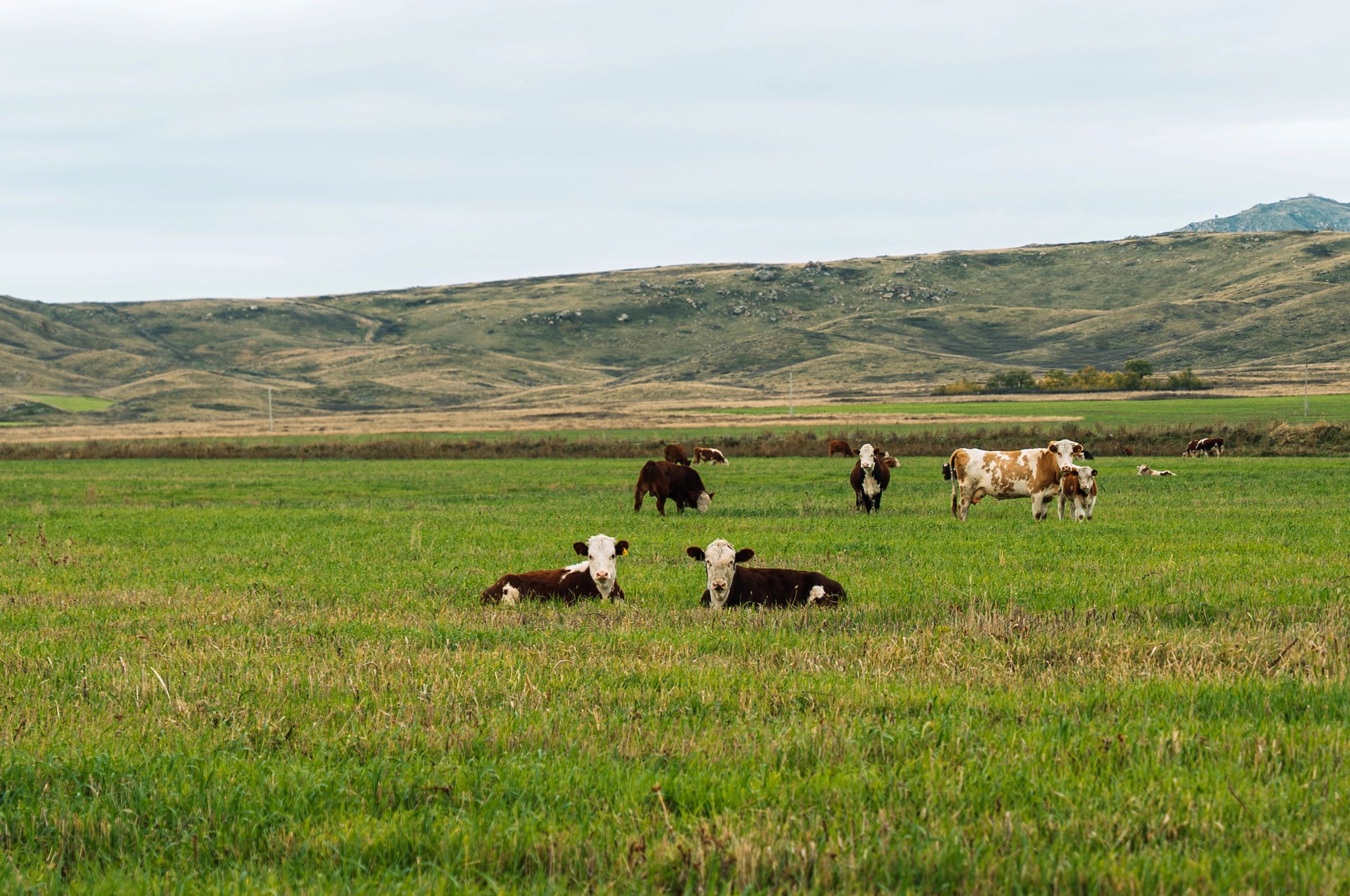
Farm & Ranch
Prairie Dog Issues on Nebraska Land
Prairie dog activity can damage pasture, create hazards for livestock and equipment, and interfere with day-to-day operations. Borland Wildlife Solutions helps Nebraska property owners assess the problem, plan control work, and protect the ground that keeps their operation moving.
Land Impact
When Prairie Dogs Start Taking Over
Prairie dog colonies can expand quickly across pasture, field edges, and operational ground. As burrows multiply, they can weaken usable acreage, create uneven terrain, and make it harder to manage livestock movement, mowing, access routes, and routine maintenance.
For farm and ranch properties, the issue is not just the animal itself. It is the cumulative effect on land condition, safety, and productivity. Borland focuses on practical wildlife solutions that match the property, the pressure level, and the goals of the owner or operator.
Common Concerns
How Prairie Dog Activity Affects Operations
Burrow Hazards
Burrow systems can create holes and unstable ground that increase risk around livestock, foot traffic, and routine work areas.
Pasture Loss
As colonies spread, usable ground can become harder to maintain and less dependable for grazing and movement.
Equipment Risk
Uneven terrain and hidden openings can complicate mowing, utility vehicle travel, and other equipment use.
Property Monitoring
Prairie dog issues often require ongoing observation so new activity can be identified before it spreads further.
Wildlife Pressure
Prairie dog activity may be part of a broader farm and ranch wildlife challenge that needs a coordinated response.
Long-Term Protection
The goal is not just immediate reduction, but a practical strategy for protecting land use over time.
Next Steps
Choose the Right Path
Wildlife Information
Learn more about prairie dog behavior, signs of activity, and why colonies can become a serious land-management issue.
Professional Help
Explore Borland’s prairie dog control service for Nebraska properties that need a professional plan and field-tested response.
Product Path
Browse the shop for wildlife-control products and equipment that support broader property management and prevention goals.
Prairie Dog Issues FAQ
Straight answers for landowners, ranchers, and operators dealing with prairie dog activity in Nebraska.
Why are prairie dogs a problem on farm and ranch land?
Prairie dogs can create extensive burrow systems that affect pasture condition, ground stability, and everyday operations. On working land, the issue is often about safety, land use, and the spread of ongoing activity.
Can prairie dog colonies spread quickly?
Yes. Once activity is established, colonies can expand and create a larger management problem over time. Early assessment is important when you start seeing fresh holes, mounds, or repeated activity.
Do prairie dogs create hazards for livestock and equipment?
They can. Burrows and uneven ground may create concerns in areas used by livestock, utility vehicles, mowing equipment, and regular property traffic.
Should I handle prairie dog activity myself or call a professional?
That depends on the size of the problem, the type of property, and your goals. If the activity is affecting operations or spreading across important ground, Borland can help evaluate the situation and recommend the right next step.
What should I do if I am not sure how serious the issue is?
Start with a professional inspection request. Borland can review the property concerns, discuss what you are seeing, and help you decide whether service, monitoring, or a product path makes the most sense.
Can Borland help with other farm and ranch wildlife problems too?
Yes. Borland Wildlife Solutions also helps with broader farm and ranch wildlife issues, related coyote concerns, and other wildlife problems affecting Nebraska properties.
Protect Your Ground Before the Problem Spreads
If prairie dog activity is affecting pasture, access, or day-to-day operations, Borland Wildlife Solutions is ready to help. Request an inspection, review your service options, or shop wildlife products today.
Family-owned. Nebraska-based. Established in 2016. LET BORLAND HANDLE YOUR WILDLIFE!