

Wildlife Hub
Groundhogs in Nebraska
Learn how to identify groundhog activity, understand burrowing and property risks, explore removal and exclusion options, and decide when to call Borland Wildlife Solutions. LET BORLAND HANDLE YOUR WILDLIFE!
Overview
What to know about groundhogs
Groundhogs are large burrowing rodents also known as woodchucks. They are best known for digging extensive den systems that can affect yards, foundations, outbuildings, landscaping, and agricultural areas. For Nebraska property owners, the biggest concerns are often burrows near structures, holes in lawns or embankments, and recurring activity in the same area.
This page is designed as a scalable wildlife hub with room to add future Borland photographs, videos, case studies, and field notes from real Nebraska jobs.
Identification
- Heavy-bodied rodent with short ears and strong digging claws
- Usually brown to grizzled brown in color
- Often seen near burrow entrances, fence lines, fields, and brushy edges
- Most active during daylight hours
Common signs
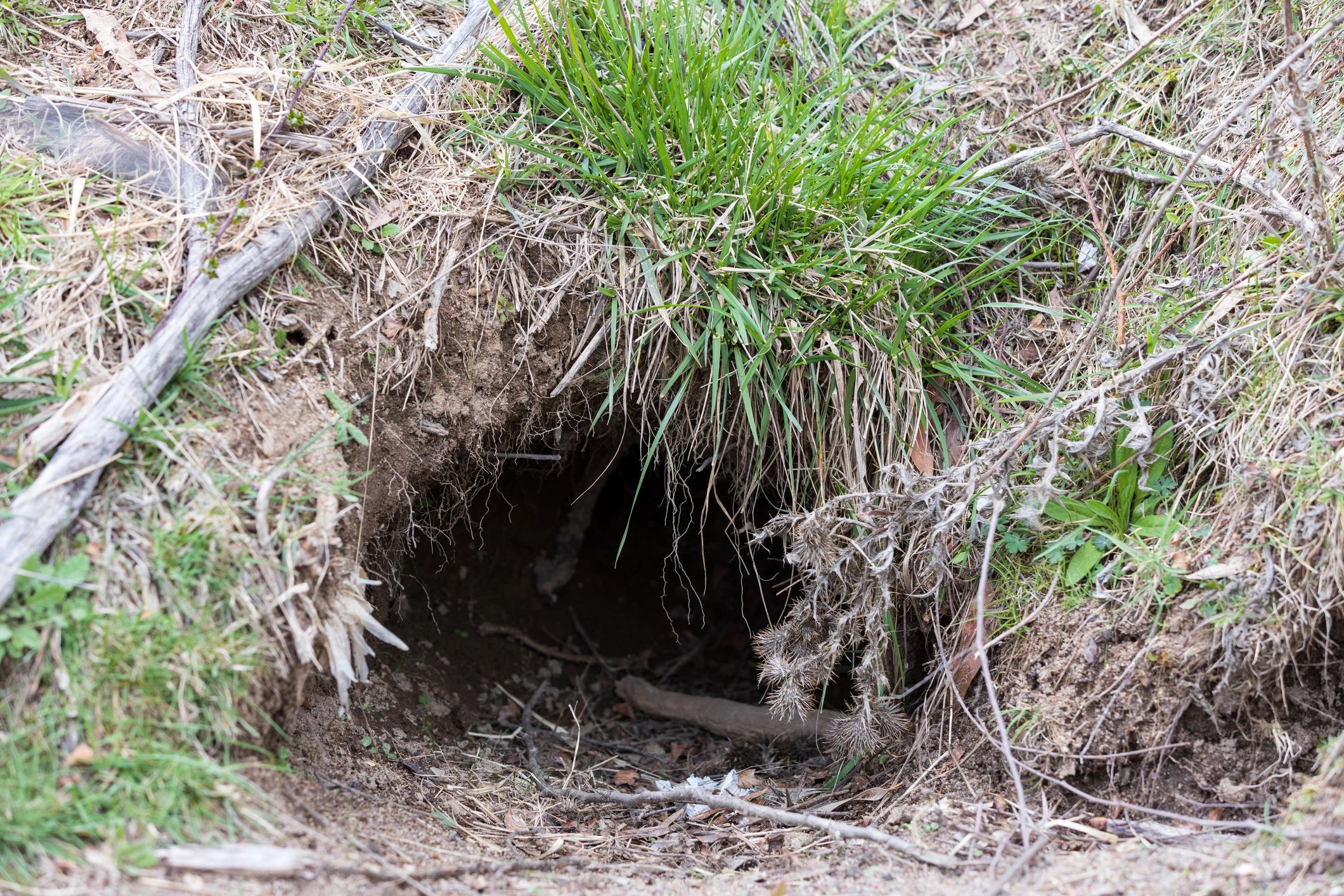
- Large burrow openings with loose soil nearby
- Chewed vegetation in gardens or landscape beds
- Paths leading to den entrances
- Activity around sheds, decks, retaining areas, or field edges
Burrowing issues and property damage
Where problems show up
Groundhog burrows may appear near decks, porches, barns, sheds, fence lines, brushy edges, drainage areas, and open ground with cover nearby. In rural and edge-of-town settings, activity may also affect gardens, crop edges, and outbuildings.
Why burrows matter
Burrows can create trip hazards, undermine soil stability, and complicate mowing or equipment use. Around structures, repeated digging may contribute to settlement concerns, voids under slabs, or recurring access points that need professional evaluation.
Vegetation and landscape damage
Groundhogs may feed on garden plants, ornamental vegetation, and nearby growth. Property owners often notice clipped plants, worn travel routes, and repeated use of the same protected areas.
Editable future field notes
Add Borland project photos, before-and-after repair examples, local Nebraska observations, and case study links here as they become available.
Nebraska context
Groundhogs and Nebraska properties
Groundhog activity can vary by habitat, cover, food sources, and how developed the surrounding property is. In Nebraska, concerns may differ between residential neighborhoods, acreage properties, agricultural settings, and commercial sites with landscaped edges or low-traffic areas.
Because wildlife pressure is local, this section is intentionally structured so Borland can later add city-specific notes, seasonal observations, and links to location pages, service pages, and real projects.
Removal, exclusion, and prevention
Professional removal options
Groundhog removal should begin with identifying active burrows, travel routes, nearby attractants, and any structural or landscape risks. Borland can evaluate the situation and recommend an appropriate response based on the property, the activity level, and the long-term goal for the site.
Exclusion and prevention
Long-term prevention may include habitat adjustments, structural exclusion, reinforcement of vulnerable areas, and repair of conditions that make repeat activity more likely. The right plan depends on how the property is used and where the burrowing is occurring.
Cleanup and repair
After activity is addressed, some properties may need burrow closure, soil repair, damage repair, cleanup, or restoration work. Borland can connect wildlife resolution with the next steps needed to help restore the area.
Related Borland solutions
Services and resources
Related services
Related learning
Relevant products
As the catalog grows, add product links here for exclusion materials, deterrent tools, repair items, and Borland Built equipment. For now, visitors can browse the main store.
Groundhog FAQs
What does a groundhog burrow look like?
Property owners often notice a larger hole in the ground with loose soil nearby and a worn path leading to or from the entrance.
Can groundhogs damage property?
Yes. Burrowing can affect lawns, landscaped areas, embankments, and spaces near structures or outbuildings.
Are groundhogs active during the day?
They are commonly seen during daylight, especially near feeding areas and burrow entrances.
Should I fill a burrow right away?
It is better to first determine whether the burrow is active and what wildlife is using it before closing or repairing the area.
Can Borland help with prevention?
Yes. Borland can assess the site and recommend exclusion, repair, and prevention steps based on the property layout and wildlife pressure.
Will this page support future Borland content?
Yes. This hub is built to expand with real photos, videos, case studies, FAQs, products, and Nebraska-specific field experience.
Need help with groundhog activity?
If you are seeing burrows, damage, or repeat wildlife activity around your property, Borland Wildlife Solutions can help you evaluate the problem and plan the next step. LET BORLAND HANDLE YOUR WILDLIFE!