
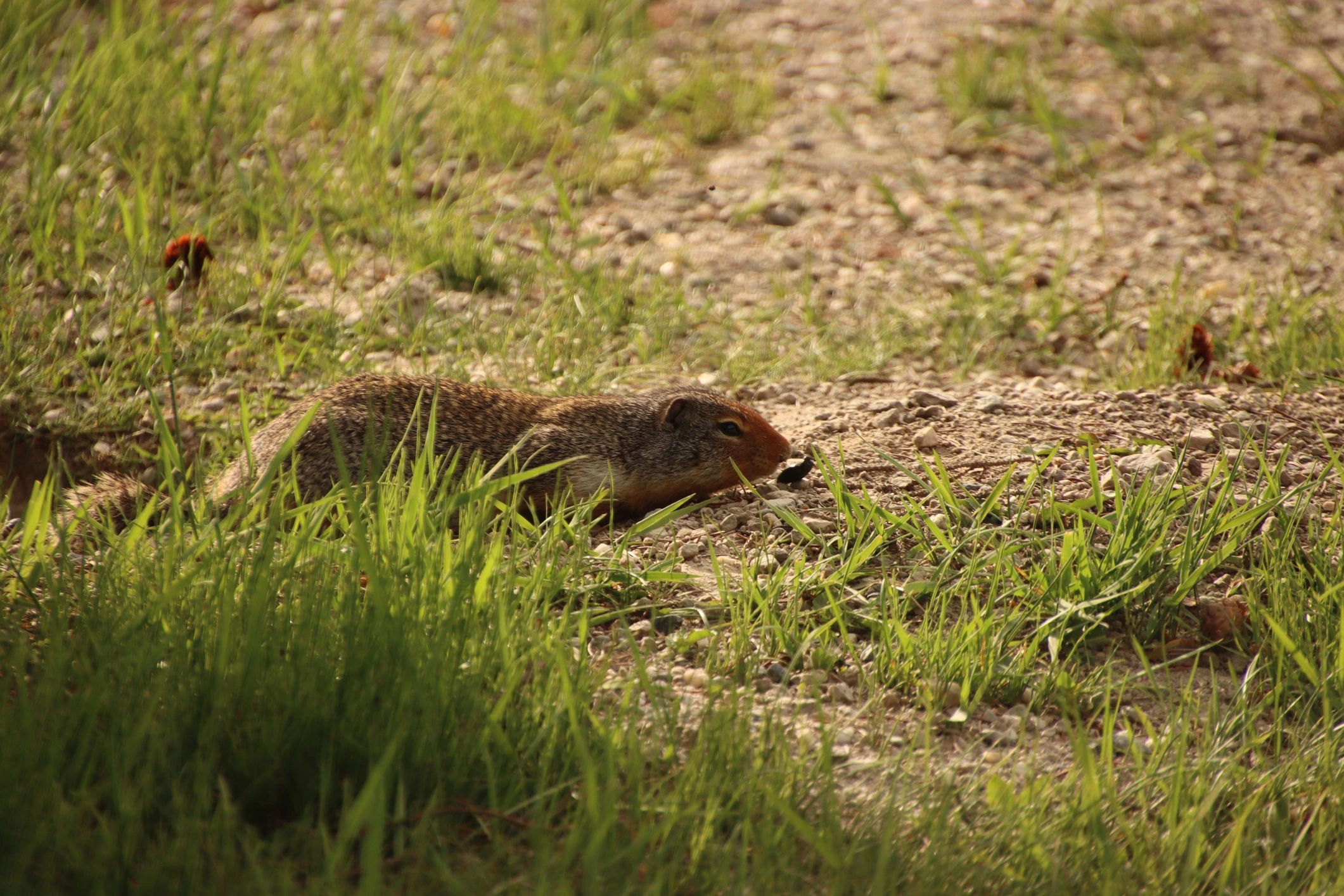
Wildlife
Squirrels in Your Home or Building?
Learn how to identify squirrel activity, recognize the signs, understand the damage, and know when to call Borland Wildlife Solutions for professional removal, exclusion, cleanup, and repair in Nebraska.
Squirrel Identification and Property Risks
Squirrels may look familiar outdoors, but once they move into an attic, soffit, wall cavity, chimney chase, garage, or outbuilding, they can create serious noise, contamination, and structural damage. In Nebraska, tree squirrels are often the species homeowners notice first, especially during seasonal nesting and weather changes.
Identification
How to Identify Squirrel Activity
Squirrels are active, agile climbers that often use trees, rooflines, utility routes, and nearby structures to reach a home. Inside buildings, activity is commonly noticed during daylight hours, especially in the morning and late afternoon. If you hear fast running, rolling sounds, or repeated gnawing overhead, squirrels are a strong possibility.
Signs and Sounds
Common Signs, Sounds, and Entry Points
Squirrels often leave multiple clues. Look for rub marks, chewed fascia, disturbed insulation, droppings, nesting debris, and repeated travel patterns on roofs or along fence lines. Entry points are commonly found at roof edges, soffits, gable vents, construction gaps, and areas weakened by age or prior damage.
Damage and Cleanup
Why Squirrels Should Be Addressed Quickly
Squirrels can chew wood, shingles, trim, wiring, and stored materials. They may contaminate insulation and attic spaces with droppings and urine, and they can keep returning if the structure is not professionally sealed. After removal, cleanup, restoration, and exclusion are often the difference between a temporary fix and a lasting solution.
What to Look For
Squirrel Problems We Help Solve
Scratching in Attic
Fast, active movement overhead during the day can point to squirrels nesting or traveling through attic spaces.
Noises in Walls
Squirrels can move through wall cavities, especially near roof intersections and upper-story voids.
Visible Entry Hole
Chewed openings around soffits, fascia, vents, and roof edges often indicate an active squirrel entry point.
Wildlife Damage
Gnawing, torn materials, damaged trim, and disturbed insulation are common when squirrels settle into a structure.
Cleanup Needed
Droppings, urine, nesting debris, and damaged insulation may require professional cleanup and restoration.
Not Sure What Animal
If you are hearing noises or seeing damage but cannot identify the animal, Borland can inspect and determine the source.
Related Services
Professional Squirrel Solutions
A strong squirrel page should lead visitors directly to the next step. Borland Wildlife Solutions handles inspection, removal planning, exclusion, cleanup, and repair with a focus on long-term results rather than temporary relief.
Squirrel Removal
Targeted inspection and removal planning for squirrels in attics, walls, soffits, garages, and other structures.
Wildlife Exclusion
Seal and reinforce vulnerable areas so squirrels cannot keep using the same entry routes.
Attic Cleanup & Restoration
Address contaminated insulation, nesting debris, and the mess left behind after squirrel activity.
Wildlife Damage Repair
Repair squirrel-related damage to restore the structure and reduce future wildlife access.
Nebraska Context
Built for Nebraska Property Owners
Homes and Attics
From Lincoln-area neighborhoods to homes across Nebraska, squirrel issues often begin at rooflines, soffits, vents, and aging construction gaps.
Service Across Nebraska
Borland serves Nebraska property owners with wildlife-focused solutions designed around inspection, exclusion, cleanup, and repair.
Products and Prevention
Some visitors need service right away. Others need the right product path, education, and prevention guidance before the problem grows.
Squirrel FAQ
Quick answers for homeowners, property managers, and anyone trying to decide whether they need service, cleanup, or products.
Are squirrels active during the day?
Yes. Unlike many other nuisance animals, squirrels are commonly heard during daylight hours, especially in the morning and late afternoon.
How do squirrels get into attics?
They often use rooflines, trees, utility routes, and construction gaps to reach soffits, fascia, vents, and weak points near the roof.
Can squirrels damage wiring?
They can chew a wide range of materials, including wood, trim, and wiring. Any suspected wiring damage should be taken seriously.
Do squirrels leave droppings in attics?
Yes. Squirrel activity can leave droppings, urine, nesting debris, and contaminated insulation that may require professional cleanup.
Will squirrels come back after removal?
They can if entry points are left open. Removal alone is often not enough without professional exclusion and repair.
Should I shop for products or request service?
If squirrels are already inside a structure, start with professional help. If you are researching prevention or equipment, visit the shop for product options.
Need Squirrel Help Now?
Whether you are hearing movement in the attic, seeing a roofline entry point, or dealing with contamination and damage, Borland Wildlife Solutions can help you move from uncertainty to a clear plan.
Not sure what you are dealing with? Start here. Ready for help? LET BORLAND HANDLE YOUR WILDLIFE!
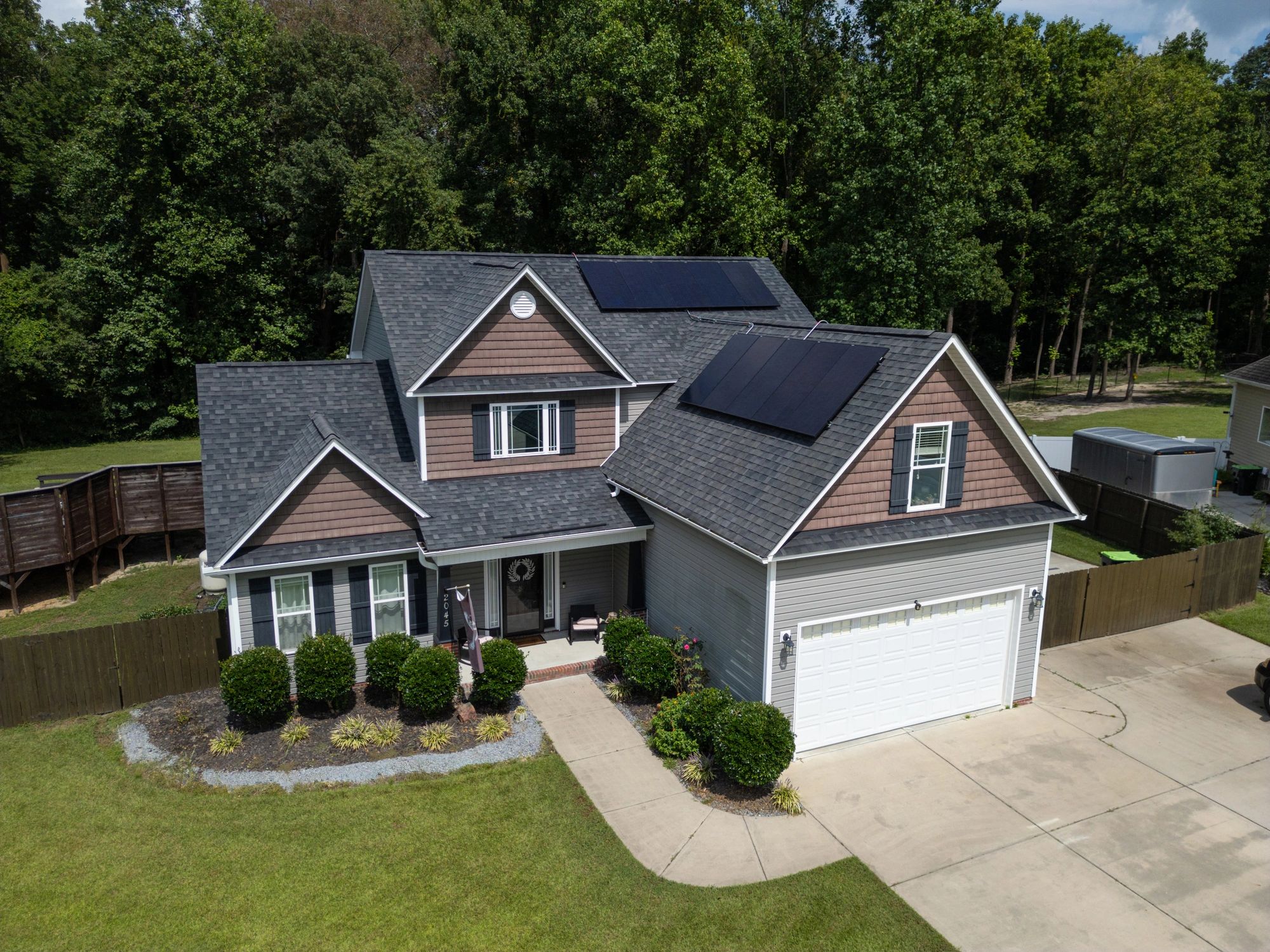
Wildlife Hub
Squirrels in Nebraska Homes
Learn how to identify squirrel activity, spot common entry points, understand the damage they cause, and decide when professional removal, exclusion, cleanup, or the right product makes sense. Let Borland Handle Your Wildlife!
What to Know About Squirrels
Squirrels can be active around roofs, soffits, chimneys, garages, barns, and attics. This page is structured to help homeowners, property managers, and rural property owners understand the problem, the risks, and the next step.
Identification
Tree squirrels are agile climbers with long tails, sharp claws, and strong front teeth. They are often seen running rooflines, jumping from branches, or carrying nesting material.

Common Signs
Look for scratching overhead, rolling sounds, chewed openings, nesting material, droppings, and activity near soffits, vents, fascia, or roof edges.
Sounds
Squirrel activity often sounds fast, light, and busy. Homeowners may hear scampering, chewing, or movement in the attic during early morning and daytime hours.
Entry Points
Common access points include roof intersections, construction gaps, damaged soffits, attic vents, gable vents, fascia edges, and openings enlarged by chewing.
Damage
Squirrels can damage insulation, chew wood and wiring, contaminate attic spaces, and create recurring problems if entry points are not properly closed.
Nebraska Context
In Nebraska, squirrel issues can affect neighborhoods, wooded lots, outbuildings, and mixed rural properties where trees, structures, and seasonal shelter needs overlap.
Professional Guidance
Removal, Exclusion, and Cleanup
The right solution depends on where squirrels are getting in, whether young are present, how long activity has been happening, and what damage or contamination remains after removal.
Removal Options
Removal planning should start with inspection. Borland can evaluate activity, identify likely access routes, and determine what service approach fits the structure and situation.
Exclusion and Prevention
Long-term control usually depends on closing entry points, reinforcing vulnerable areas, and correcting the structural conditions that allowed access in the first place.
Cleanup Needs
After activity is resolved, attic cleanup or restoration may be needed when nesting material, droppings, urine contamination, or damaged insulation are left behind.
Editable Borland Content Areas
This hub is ready for future Borland project photos, field videos, case studies, and Nebraska-specific examples without changing the overall page structure.
Related Paths
Explore Related Borland Pages
Squirrel Removal
Learn about Borland’s professional service approach for squirrel problems in homes and structures.
Wildlife Exclusion
See how exclusion work helps stop repeat entry at rooflines, vents, soffits, and other vulnerable areas.
Attic Cleanup
Understand when cleanup and restoration may be needed after squirrel activity in attic spaces.
Scratching in Attic
Compare squirrel activity with other common causes of attic noises and overhead movement.
Resource Center
Browse educational content designed to help customers understand wildlife problems before they become bigger.
Shop Wildlife Products
Explore products for prevention, exclusion, and wildlife-control applications when a product is the right fit.
Squirrel FAQs
Clear answers first, with room to expand later using real Borland field experience, photos, and project examples.
How do I know if I have squirrels in the attic?
Many homeowners notice fast movement overhead, daytime scratching, chewing sounds, or visible activity near the roofline. An inspection helps confirm the species and the access point.
When are squirrels most active?
Squirrels are often active during the day, especially in the morning. Seasonal behavior can also affect nesting, shelter use, and how often they attempt to enter structures.
Can squirrels damage a house?
Yes. They may chew building materials, disturb insulation, widen openings, and leave contamination in attic or wall spaces.
Is exclusion really necessary?
In many cases, yes. Removing activity without addressing the opening can leave the structure vulnerable to repeat entry by squirrels or other wildlife.
Do all squirrel problems need cleanup?
Not always, but cleanup may be important when nesting debris, droppings, urine, or damaged insulation are present.
Can I buy products instead of hiring service?
Sometimes the right product is enough, especially for prevention or maintenance. If the situation involves active entry, hidden damage, or hard-to-reach areas, professional help may be the better path.
Need Help With Squirrels?
Whether you need inspection, removal, exclusion, cleanup, or the right wildlife-control product, Borland Wildlife Solutions is building this resource to guide the next step clearly and professionally.
Let Borland Handle Your Wildlife!