
Wildlife Services
Wildlife Exclusion That Keeps Animals Out
Borland Wildlife Solutions identifies active and potential entry points, removes access, and helps protect homes, barns, and commercial structures across Nebraska. LET BORLAND HANDLE YOUR WILDLIFE!
How Wildlife Exclusion Works
Professional exclusion focuses on finding how wildlife is getting in, addressing the current issue, and closing vulnerable areas so the problem is less likely to return.
01
Inspect the Structure
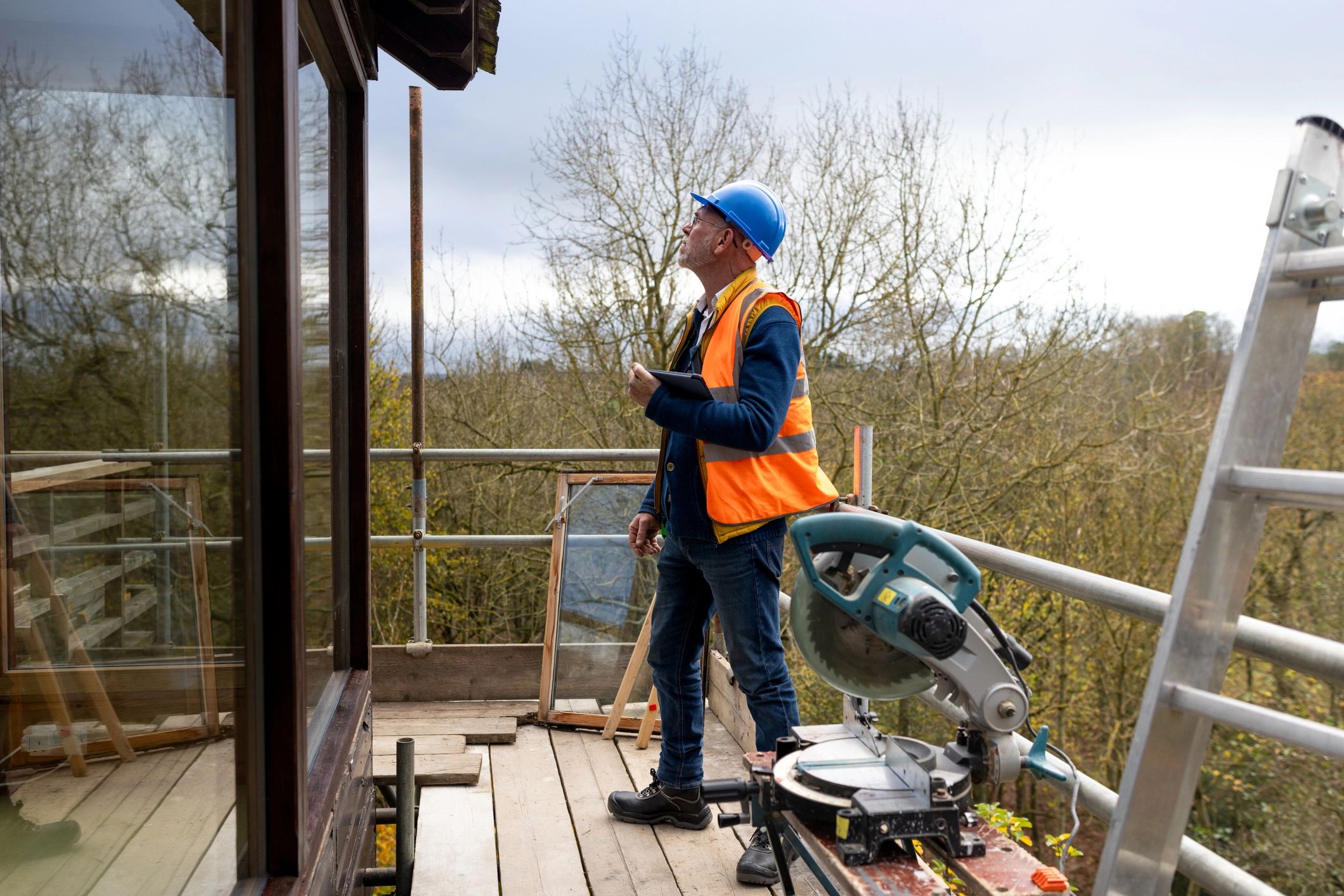
Borland checks the roofline, soffits, vents, gable ends, chimney areas, siding transitions, crawlspace openings, decks, outbuildings, and other likely access points.
02
Identify Active Entry
We look for staining, rub marks, droppings, nesting material, tracks, damage, and visible gaps to determine where wildlife is entering and what conditions are attracting activity.
Exclusion is not just patching a hole. It is a strategy for solving the current wildlife problem while helping prevent the next one.
03
Seal and Reinforce
Once the situation is ready for closure, Borland seals gaps and reinforces vulnerable areas using exclusion-focused materials and methods suited to the structure and target animal.
04
Reduce Future Risk
We recommend prevention measures such as vent protection, chimney caps, repair of damaged building components, habitat adjustments, and follow-up cleanup or repair when needed.
Common Access Points
Where Wildlife Commonly Gets In
Roof Edges
Gaps at rooflines, fascia, and intersections can allow squirrels, raccoons, and other wildlife to gain access.
Soffits and Eaves
Loose, damaged, or poorly sealed soffits are common wildlife entry areas around homes and buildings.
Attic and Gable Vents
Unprotected vents can become access points for bats, birds, and small animals seeking shelter.
Chimneys and Flues
Open or damaged chimney areas can attract birds, raccoons, and other nesting wildlife.
Decks and Foundations
Animals may use gaps under decks, porches, sheds, and foundations for denning or shelter.
Utility and Siding Gaps
Openings around pipes, conduits, trim, and siding transitions can create overlooked access routes.
What Borland Does
Inspection, Sealing, and Prevention
Every structure is different. Borland Wildlife Solutions builds exclusion recommendations around the species involved, the condition of the structure, and the level of long-term protection needed.
Detailed Inspection
We inspect for active wildlife use, hidden vulnerabilities, previous repairs, moisture-related deterioration, and conditions that may continue to attract animals.
Targeted Sealing
Exclusion work is focused on closing confirmed and likely entry points with durable methods appropriate to the building and wildlife pressure.
Prevention Planning
We help property owners understand what should be monitored, repaired, or upgraded to reduce repeat wildlife issues over time.
Related Cleanup and Repair
When wildlife activity has caused contamination or damage, Borland can also recommend cleanup, restoration, and related service solutions.
Related Services
Wildlife Problems Often Linked to Exclusion
Exclusion is often part of a larger wildlife-control plan. Explore related species and service pages for more specific guidance.
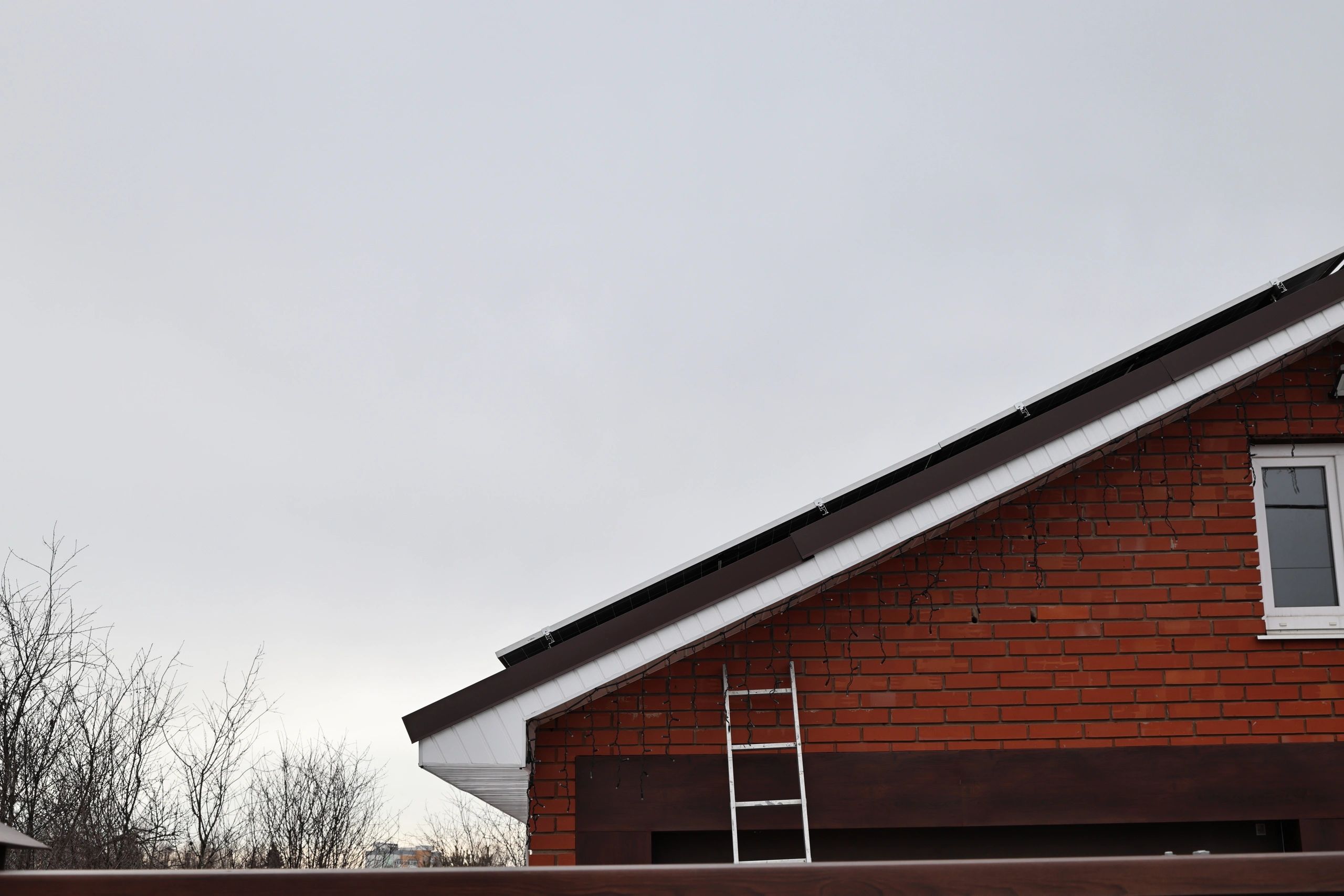
Bat Removal & Exclusion
Learn how bat entry points are identified, managed, and professionally excluded from structures.
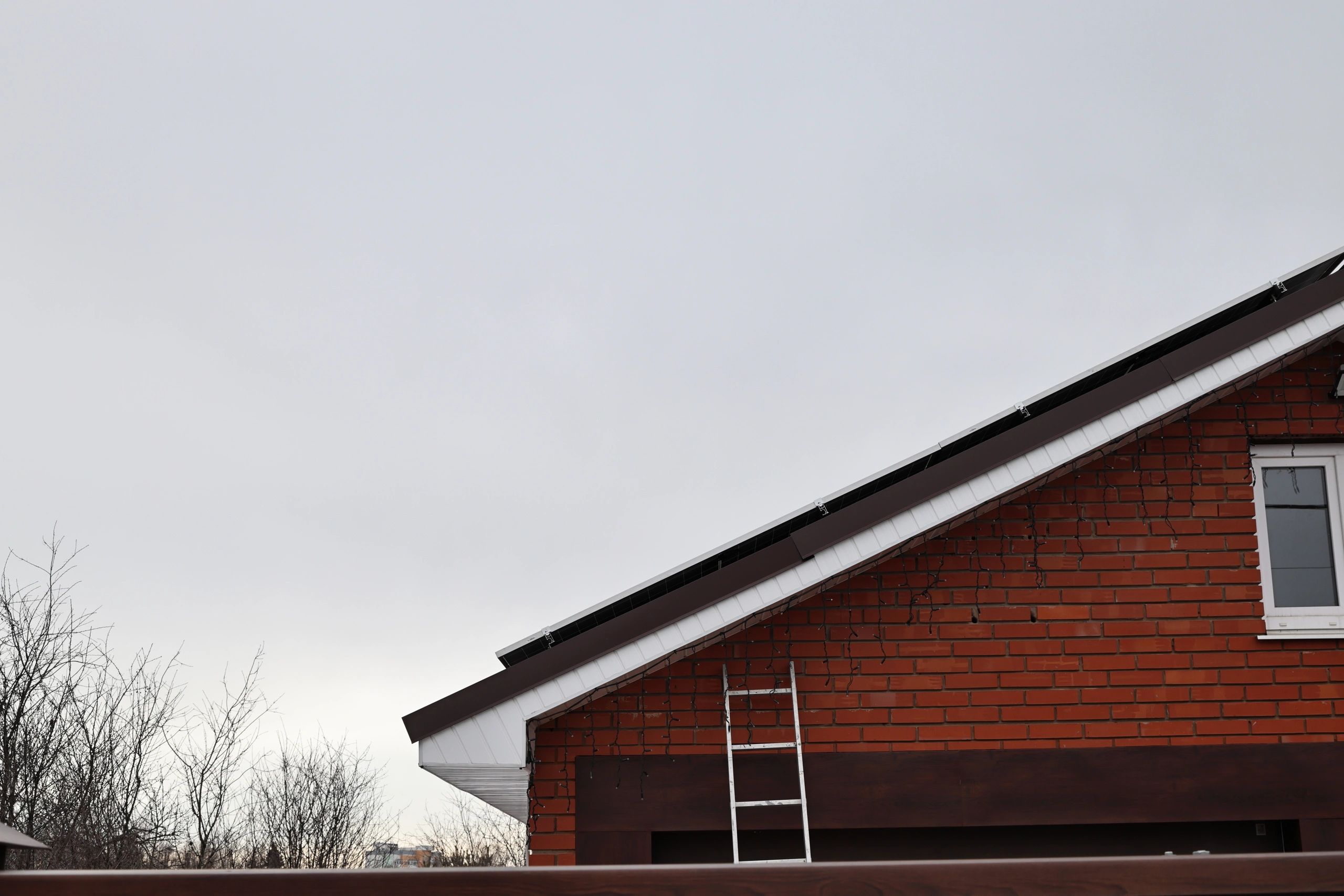
Squirrel Removal
See how squirrel activity in attics, soffits, and rooflines is addressed and prevented.
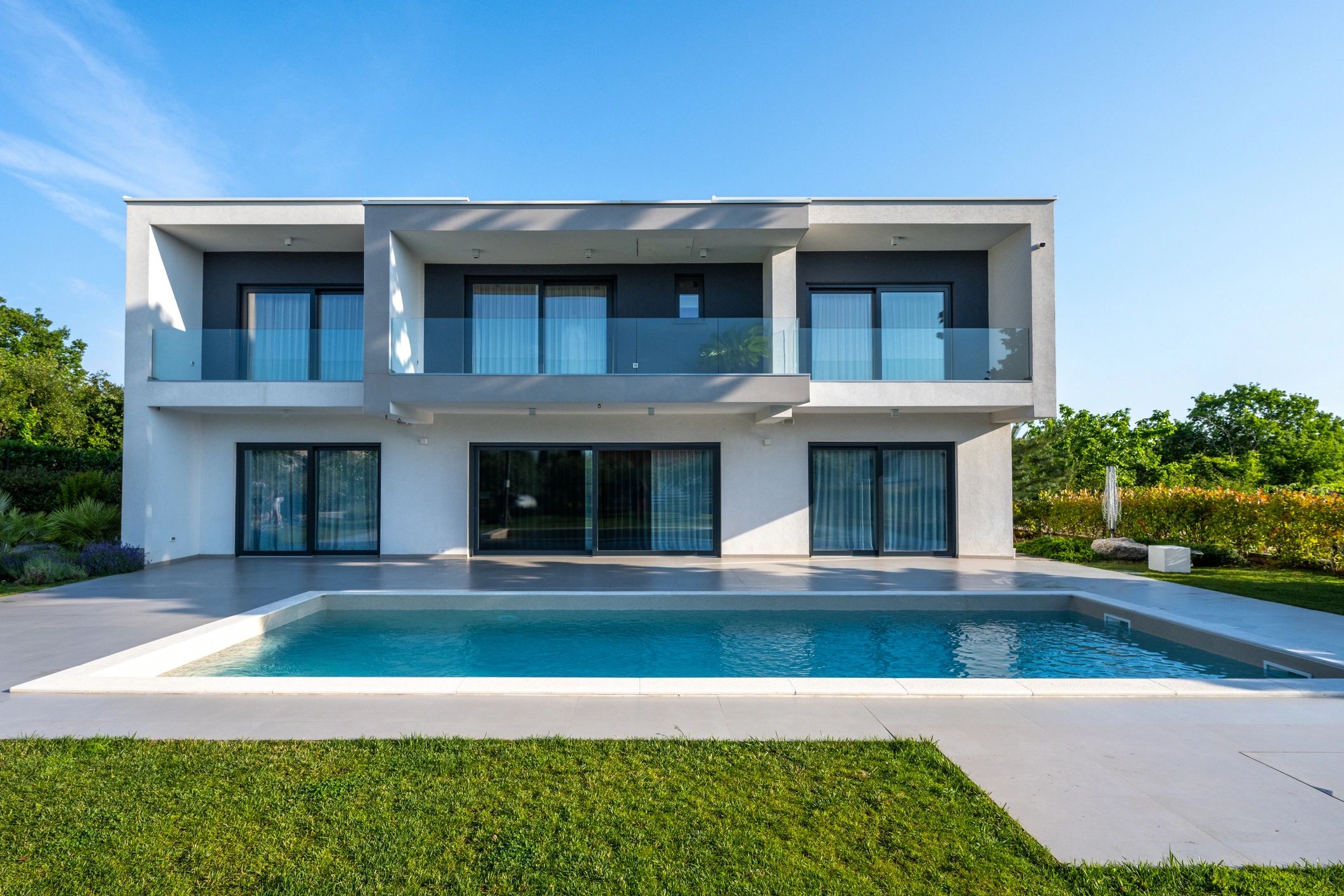
Raccoon Removal
Understand how larger entry damage around roofs, vents, and chimneys can be resolved.
Wildlife Exclusion FAQ
Answers to common questions about keeping wildlife out of homes, buildings, and other structures.
What is wildlife exclusion?
Wildlife exclusion is the process of identifying and closing entry points so animals cannot continue using a structure for shelter, nesting, or access.
Does exclusion remove the animal too?
Exclusion is often part of a larger service plan. The right approach depends on the species, location, season, and whether animals are currently active inside.
What animals commonly require exclusion work?
Bats, squirrels, raccoons, birds, skunks, and other wildlife may require exclusion depending on how they are using the property.
Where are the most common entry points?
Common areas include roof edges, soffits, vents, chimneys, siding gaps, utility penetrations, decks, crawlspaces, and damaged exterior components.
Can exclusion help prevent repeat problems?
Yes. When entry points and vulnerable areas are properly addressed, exclusion can reduce the chance of recurring wildlife access.
When should I request an inspection?
If you hear noises, see droppings, notice damage, find an entry hole, or suspect wildlife activity around your structure, it is a good time to schedule an inspection.
Need Wildlife Exclusion in Nebraska?
Whether you already know where animals are getting in or you are not sure what you are hearing, Borland Wildlife Solutions can help inspect the problem and recommend the next step.
Family-owned. Nebraska-based. Established in 2016. LET BORLAND HANDLE YOUR WILDLIFE!